
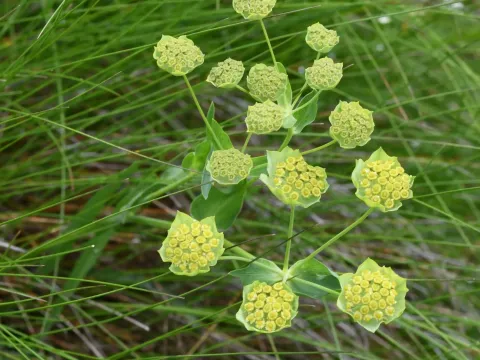
Bupleurum stellatum
Bupleurum stellatum
Bupleurum stellatum, commonly known as the star-leaved hare's ear, is a perennial herbaceous plant belonging to the Apiaceae family. Native to the mountainous regions of Europe, this species thrives in subalpine environments and is well-adapted to rocky and calcareous soils found in high-altitude meadows.
What the section contains
Bupleurum stellatum
The plant requires a well-drained, porous substrate to thrive. It is highly sensitive to waterlogging, which can cause rapid root decay. Therefore, when cultivating this species, choosing a site with excellent drainage or creating raised beds with gravel additions is essential for success.
In terms of light, Bupleurum stellatum prefers sunny locations but can tolerate partial shade in warmer climates. It is a cool-climate plant, and excessive summer heat may cause physiological stress, so ensuring good air circulation around the plants is critical during the growth phase.
The soil should ideally be neutral or slightly alkaline. In areas with acidic soils, incorporating lime is a necessary step to meet the plant's nutritional requirements. As a mountain species, it is accustomed to poor but mineral-rich soils, so it does not require heavy fertilizing.
Regular weeding and moisture management are the primary care tasks. The plant is known for its slow initial establishment, so protecting young specimens from competitive weeds during the first year is vital for the development of a healthy and robust crop.
The most successful method for sowing Bupleurum stellatum is autumn sowing. This exposes the seeds to natural winter conditions, providing the necessary stratification period. Without this cycle of cold temperatures, seed germination rates remain significantly lower under controlled conditions.
Seeds should be sown shallowly, ideally covering them with a very thin layer of substrate or sand. The soil surface must remain consistently moist until germination occurs, which can take several weeks due to the species' biological nature.
A row spacing of 30–40 cm is recommended to facilitate proper aeration and maintenance. This spacing also allows for mechanical or manual weeding, which is necessary to prevent the plant from being overshadowed by faster-growing weeds in the early stages of life.
If spring sowing is the only option, seeds must undergo artificial stratification by keeping them at low temperatures (around +2 to +5 degrees Celsius) in a refrigerator for at least two to three months before being planted into the field.
Thinning the seedlings is performed once they develop two sets of true leaves. Keeping a spacing of 15–20 cm between plants ensures they have sufficient room to develop their foliage and root systems, which is important for long-term health in perennial plantings.
The primary threats to Bupleurum stellatum are fungal infections, particularly those triggered by excessive humidity. Diseases such as powdery mildew and various root rots are common, especially if the plants are grown in heavy, poorly drained, or stagnant soil conditions.
Common insect pests include aphids, which attack the young growth and can stunt the development of the plant. Additionally, certain types of caterpillars may feed on the leaves, requiring regular monitoring and integrated pest management strategies to keep damage levels low.
Prevention is key, and it starts with proper site selection and sanitation. Removing plant debris from the previous season and ensuring that the planting area is well-ventilated significantly reduces the incidence of fungal outbreaks during the growing season.
For pest control, biological insecticides or manual removal are preferred methods in order to maintain the quality of the harvested material. Avoiding broad-spectrum pesticides helps preserve the beneficial insect population that can naturally manage aphid levels.
Regular observation of the leaves and stems allows for early detection of issues. By maintaining soil health through proper drainage and avoiding excess nitrogen fertilizers, the plants develop stronger resistance to common diseases, ensuring a productive and healthy stand.