
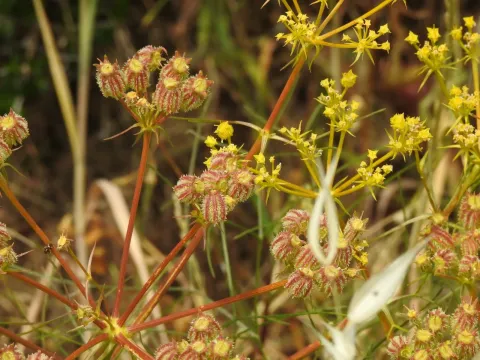
Cachrys
Cachrys
The propagation of Cachrys is best achieved through autumn sowing, as the seeds require a period of cold stratification to break dormancy and ensure consistent germination.
What the section contains


Cachrys
In their natural habitat, seeds fall to the ground in late summer and undergo the winter freeze-thaw cycle, which is essential for triggering spring growth.
When cultivating this species, sow the seeds in well-drained, loose soil at a shallow depth of about 2 to 3 centimeters to prevent them from rotting.
It is important to keep the seedbed moist during the first few weeks after sowing to ensure that the delicate seedlings establish their root systems effectively.
Spacing between plants should be generous, typically 60 to 80 centimeters, to accommodate the large, robust rosettes that develop during the plant's mature stages.
Cachrys belongs to the Apiaceae family and thrives in open, sunny locations where it can receive maximum exposure to light throughout the day.
The plant is highly drought-tolerant, making it an excellent candidate for regions with arid climates or sandy, rocky soil conditions that drain water quickly.
Heavy or waterlogged soils are detrimental to the root system, so sandy or loamy soils with excellent aeration are necessary for successful cultivation.
The soil should have a neutral to slightly alkaline pH, which mimics the natural conditions where this genus is typically found growing in the wild.
While the plant is hardy, it benefits from a mulch layer in regions with extremely cold winters to protect the crown from freezing temperatures and frost heaving.
The agricultural yield of Cachrys is primarily focused on its seeds, which contain essential oils and phytochemicals used in various industrial and medicinal applications.
Plants generally reach their peak productivity in the third year, once they have fully transitioned from their vegetative juvenile phase into the reproductive phase.
Optimal yields depend on the plant's ability to develop a deep, extensive taproot, which allows it to access deeper soil moisture during the height of the summer.
Selective harvesting of reproductive stalks can help manage energy allocation within the plant, potentially increasing the quality of the seed production in subsequent years.
Proper management of the field density ensures that every individual plant receives sufficient sunlight, which is the key factor for high-quality oil production.
The most common threats to Cachrys are soil-borne fungi that cause root rot, particularly in areas where water drainage is poor or during unseasonably wet seasons.
Aphids and certain types of carrot rust flies can occasionally target the leaves or the tender flower buds, necessitating careful monitoring during the early summer.
Maintaining high hygiene standards in the field, such as removing debris and preventing overcrowding, is the best strategy for disease prevention in this species.
Excessive nitrogen fertilizer can weaken the plant's natural resistance, making it more susceptible to powdery mildew and other foliar infections.
Integrated pest management techniques are recommended to maintain the ecological balance and protect beneficial insects that frequent the umbelliferous flowers.
Harvesting should be timed carefully when the umbels show clear signs of maturity, turning from green to a brownish, dry color, indicating that the seeds are fully developed.
The most effective method involves cutting the flower stalks just before the seeds begin to shatter and lose their attachment to the umbel.
Post-harvest, the stalks should be dried in a well-ventilated, shaded area to allow the seeds to finish ripening without being exposed to direct sun or high humidity.
Once dried, the seeds can be threshed from the flower heads and winnowed to remove any chaff, resulting in clean, high-quality material for storage or usage.
Properly cleaned and dried seeds can be stored for several years if kept in a cool, dark environment in airtight containers to maintain their viability.