
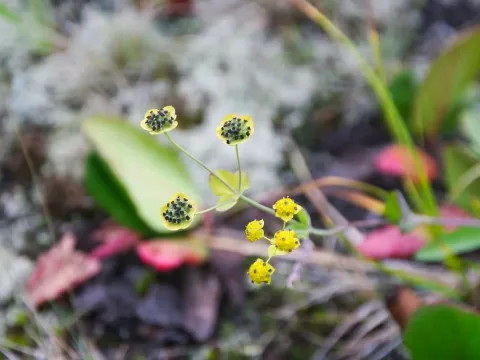
Bupleurum triradiatum
Bupleurum triradiatum
Bupleurum triradiatum is a perennial herbaceous plant belonging to the Apiaceae family. It is valued for its pharmacological properties, particularly the presence of triterpene saponins in its biomass.
What the section contains
Bupleurum triradiatum
Seed propagation is the primary method of cultivation. Seeds often exhibit dormancy and require cold stratification for at least 4-8 weeks to ensure uniform germination rates in spring.
Sowing should be done in prepared seedbeds at a depth of 1-2 cm. Given the slow initial growth of the seedlings, proper spacing is crucial to prevent competition with weeds during the first months.
The optimal row spacing is 40-50 cm, allowing for mechanical weeding and proper aeration. In large-scale production, precision seeding is recommended to reduce the need for manual thinning.
Growth is generally slow in the establishment year as the plant focuses on developing a robust root system and a basal leaf rosette. The plant typically reaches its full production potential in the second year.
The plant thrives in well-lit, sunny positions. Exposure to adequate sunlight is essential for the biosynthesis of secondary metabolites, which are the main focus for agricultural harvest.
Soil requirements include excellent drainage and high fertility. Loamy or sandy soils with neutral pH levels are preferred to prevent root rot, which the plant is susceptible to in stagnant water.
Water management is critical during the germination phase. Once established, Bupleurum triradiatum shows moderate drought tolerance, though supplemental irrigation during dry spells improves biomass yields.
The crop is highly cold-hardy, adapting well to regions with severe winter climates. It does not require special winter protection as the aerial parts die back naturally before the dormant season.
Minimal fertilization is required if the soil is rich in organic matter. A balanced application of nitrogen, phosphorus, and potassium at the start of the second-year growth cycle boosts overall production.
Fungal diseases like powdery mildew represent the primary threat, especially in humid conditions with poor airflow. Maintaining proper plant density is the most effective preventive measure.
Leaf spot diseases may occur, usually manifesting as small necrotic lesions. Crop rotation and the removal of infected plant debris at the end of the season are fundamental agricultural practices.
Pests such as aphids and leaf-eating beetles can cause minor damage. Monitoring is essential to ensure that pest populations do not exceed economic injury thresholds during the peak growing season.
Integrated Pest Management (IPM) is strongly encouraged to preserve the medicinal quality of the harvest. Avoiding synthetic pesticides ensures that the final raw material meets pharmaceutical safety standards.
Soil-borne pathogens may affect younger plants. Ensuring the soil is properly drained before planting significantly reduces the risk of root-related illnesses that can destroy the crop.
Harvesting is performed during the full flowering stage, which usually coincides with the maximum accumulation of bioactive compounds. This timing ensures the highest value of the dried product.
The entire aerial portion is cut using specialized equipment, ensuring the basal rosette remains intact. This encourages the plant to regenerate for subsequent years of harvest.
Drying must occur immediately after harvest in a well-ventilated area away from direct sunlight. High temperatures during drying should be avoided to prevent the degradation of active ingredients.
Once dried to a moisture content of approximately 10-12%, the material is packed into airtight containers. Storage should be in a cool, dark environment to maintain its potency over time.
Quality control during harvest involves checking for discoloration or the presence of unwanted foreign botanical matter, ensuring the final batch is clean and uniform in appearance.