


Reference · Crops
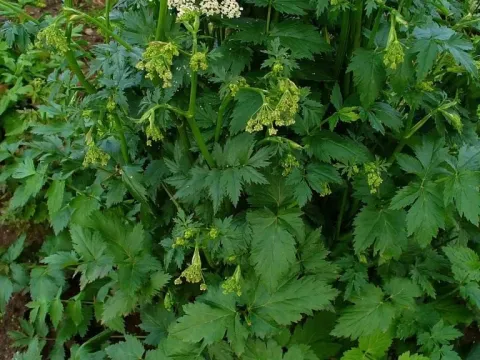
Burnet saxifrage
Pimpinella
Sowing of Burnet saxifrage, botanically known as Pimpinella saxifraga, is typically performed in early spring as soon as soil temperatures reach 8–10 degrees Celsius.
3
items
What the section contains
Marketplace
Products in this section · 10


Trifluralin 480 g/L, herbicide
F.A.GAN Chemical Manufacturers Ltd. Israel, member
Herbicides
0
0
3 offers
9.93 €per 1 l
Buy

Triflurex 240 g.e., (Trifluralin, 240 g/l)
F.A.GAN Chemical Manufacturers Ltd. Israel, member
Herbicides
0
0
No offers
—
Details


Burnet saxifrage
Late autumn sowing is also a viable practice, allowing the seeds to undergo natural stratification in the soil, which leads to more uniform germination when spring arrives.
Seeds should be sown at a shallow depth of 1–2 centimeters, as they are minute and require consistent soil moisture to successfully initiate the germination process.
Recommended row spacing is between 30 and 45 centimeters to ensure sufficient space for weeding and to facilitate potential mechanized maintenance of the crop.
Following seedling emergence, thinning is necessary to maintain a spacing of 15–20 centimeters between plants, providing adequate room for leaf rosette development.
Belonging to the Apiaceae family, this crop prefers well-drained, fertile soils with a neutral or slightly alkaline pH for optimal physiological performance.
Burnet saxifrage is a light-demanding plant, so selecting open, sunny locations is crucial to avoid stunted growth and to ensure the development of high-quality aromatic compounds.
While the plant exhibits moderate drought tolerance, regular irrigation during dry periods is essential to maintain vigorous growth and improve total biomass yield.
Avoiding waterlogged areas is imperative, as excessive moisture often leads to root rot, which is a common cause of crop failure in poorly managed plots.
The soil should be deep-tilled and enriched with organic amendments prior to sowing to support the long-term nutritional needs of the developing perennial plants.
The primary economic output of this crop includes the harvest of fresh leaves for culinary use and the collection of seeds, which are rich in essential oils for pharmaceutical applications.
Yield stability is heavily dependent on consistent soil moisture and weed suppression throughout the growing season, which prevents resource competition.
Seed harvesting is conducted when the umbels turn a brownish color, signaling maturity and preventing excessive seed shattering in the field.
Industrial production requires careful management of plant density to maximize the harvestable leaf area while maintaining the desired concentration of aromatic oils.
Proper fertilization, particularly with nitrogen, during the early stages of the vegetative cycle significantly enhances the volume of the harvestable biomass.
Burnet saxifrage is susceptible to various fungal diseases, with powdery mildew being the most prevalent in humid conditions and overcrowded plant stands.
Root rot diseases frequently occur in heavy or compacted soils where drainage is insufficient, leading to oxygen deficiency for the plant roots.
Common pests include the umbellifer moth and various aphid species that target young stems and developing umbels, causing significant damage if left untreated.
Implementing a proper crop rotation strategy is the most effective way to prevent the buildup of soil-borne pathogens and to keep pest populations at manageable levels.
In cases of severe infestation, integrated pest management approaches should be used, ensuring strict adherence to pre-harvest intervals for any applied treatments.
Leaf harvesting can be performed throughout the growing season by selectively cutting the outer rosette leaves, which encourages continued new growth from the center.
When collecting umbels for seed extraction, harvesting should occur during dry weather to minimize moisture content and prevent post-harvest mold development.
Drying of the harvested material must be conducted in shaded, well-ventilated areas to prevent the degradation of essential oils caused by exposure to direct sunlight.
Post-drying, seeds should be threshed and cleaned of all debris before being stored in airtight containers to preserve their potency and aromatic qualities.
Efficient storage in a cool, dry, and dark environment is essential to maintain seed viability and the volatile compound content until the product is processed or sold.