
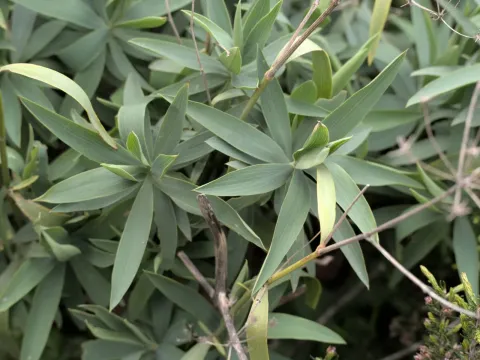
Bupleurum salicifolium
Bupleurum salicifolium
Bupleurum salicifolium is a perennial herbaceous plant belonging to the Apiaceae family. Native to the Canary Islands, it is increasingly valued in botanical research and medicinal agriculture for its high saponin content and secondary metabolites.
What the section contains
Bupleurum salicifolium
Sowing should ideally take place in the spring when soil temperatures reach 10-12 degrees Celsius. The seeds often exhibit dormancy, so a period of cold stratification for 4 to 8 weeks is highly recommended to ensure uniform germination rates across the field.
Seeds are sown at a shallow depth of approximately 1.5-2 centimeters. For professional cultivation, row spacing should be maintained at 50-60 centimeters to facilitate mechanical weeding and ensure that plants have sufficient light exposure.
During the first year of growth, the plant focuses on establishing a rosette of basal leaves. Stem elongation and the development of reproductive parts typically occur from the second year onwards, once the plant has successfully established its root system.
Targeting a plant density of approximately 8-10 plants per linear meter is ideal. This density provides a balance between maximum biomass yield per hectare and sufficient aeration to prevent the development of moisture-related diseases.
This crop thrives in sunny, open locations. Sufficient sunlight is crucial for the photosynthesis process, which directly correlates with the concentration of bioactive compounds in the leaves and stems.
Well-drained, sandy loam soils with a neutral pH are essential for the health of Bupleurum salicifolium. Waterlogged soil is the primary enemy of this plant, frequently leading to root rot and failure in commercial plantation settings.
While the plant shows moderate drought tolerance, consistent moisture during the active vegetative phase is required for optimal development. Prolonged water stress during early summer may result in premature bolting and reduced yield quality.
Temperatures between 18 and 25 degrees Celsius are considered optimal. In regions with intense solar radiation, providing minor shading during the peak afternoon hours can help maintain leaf turgor and prevent excessive water loss.
Fertilization management should emphasize potassium and phosphorus. Nitrogen should be used sparingly, as excessive application promotes rapid vegetative growth that can weaken the plant's resistance to cold and pests.
Root rot is the most significant threat, particularly in soils with poor drainage. Proactive soil management, including the integration of organic matter to improve structure, is the best preventive strategy against these pathogens.
Aphids and leafhoppers represent the most common insect pests for this species. They typically target young, tender tissue, and if left unchecked, they can cause stunted growth and vector secondary viral infections.
Powdery mildew may occur during periods of high humidity and poor ventilation. Keeping the rows clean of weeds and maintaining proper plant spacing ensures that airflow effectively reduces the risk of fungal outbreaks.
Wireworms can cause localized damage to the roots. Farmers should implement crop rotation cycles, avoiding planting after grasses or cereals to break the life cycle of soil-dwelling pests.
Regular field scouting is recommended to identify early signs of nutrient deficiency or pest activity. Early intervention with biological controls is often more effective than curative chemical treatments in preserving the herbal quality.
The harvest should occur during full bloom, as this is when the concentration of medicinal saponins is at its peak. Timing the harvest accurately is essential for meeting the quality standards required for pharmaceutical applications.
Mechanical harvesting involves cutting the aerial parts of the plant at least 15 centimeters above the soil surface. Preserving the crown is vital to ensure that the plant regenerates for future harvests in subsequent seasons.
Once harvested, the biomass should be dried as quickly as possible. Prolonged exposure to sunlight or leaving the material in large piles can cause rapid heat accumulation and degradation of essential phytochemicals.
Drying is conducted in controlled environments with temperatures maintained below 45 degrees Celsius. Good air circulation is necessary to preserve the plant's natural color and chemical integrity during the drying process.
Post-drying, the herb should be stored in cool, dark, and dry conditions. Proper packaging, such as breathable paper sacks, helps maintain the potency of the herb for a period of up to 24 months before processing.