
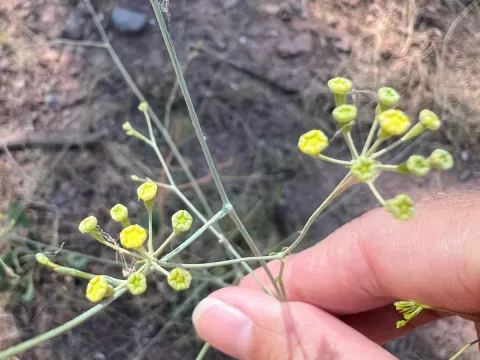
Bupleurum rigidum
Bupleurum rigidum
Sowing of Bupleurum rigidum is typically performed in late autumn or early spring, as the seeds require a period of stratification to break dormancy. Autumn sowing allows the seeds to undergo natural winter chilling, which promotes better germination.
What the section contains
Bupleurum rigidum
For spring planting, seeds must be artificially stratified in cool, moist conditions for approximately 4 to 6 weeks. This mimics winter conditions and ensures a high percentage of successful seedling emergence.
Seeds should be sown at a shallow depth of 1 to 2 centimeters. Because they are small, deep burial can significantly reduce germination rates, making careful soil surface preparation essential.
Standard row spacing is set at 45 to 60 centimeters, allowing for efficient weed management and aeration between plant rows. Within rows, plants are thinned to maintain a healthy spacing of 20 to 30 centimeters.
As a member of the Apiaceae family, the plant displays slow initial growth during the first year, establishing a basal rosette of leaves before transitioning into a more productive reproductive phase in subsequent years.
The plant thrives in open, sunny locations with well-drained, lime-rich soils. It is notably drought-tolerant, making it a viable candidate for agricultural regions prone to limited seasonal rainfall.
Ideal soil conditions consist of light loam or sandy soil with a neutral to slightly alkaline pH. Proper drainage is the most critical requirement, as waterlogged soil can quickly lead to root decay.
While the species is hardy, it responds positively to phosphorus and potassium fertilizers during the active growing season. Nitrogen should be applied conservatively to avoid excessive foliage at the expense of secondary metabolites.
The plant is well-adapted to temperate climates and demonstrates strong cold hardiness. It can withstand typical seasonal fluctuations without the need for additional protection in temperate regions.
Ongoing agricultural maintenance includes frequent inter-row cultivation to suppress weed competition and prevent the development of hard soil crusts, which can impede growth and water absorption.
The yield of Bupleurum rigidum is measured primarily by the dry weight of the harvested aerial biomass. Industrial productivity generally reaches its peak during the second and third years of the plant's life cycle.
Effective agricultural management and proper nutrient spacing directly influence the concentration of beneficial flavonoids and other medicinal compounds found within the harvested plant tissues.
Economic feasibility depends on maintaining a consistent plant density and employing efficient harvesting techniques. Strategic rotation cycles allow farmers to maintain productivity across multiple years.
Quality control during the growth phase is essential for commercial pharmaceutical applications. Yield stability is often supported by the species' natural resilience to environmental stressors.
Optimization of the harvest window is necessary to balance the total biomass output with the peak concentration of secondary metabolites, ensuring high-value product generation.
Fungal infections, such as powdery mildew and various leaf spot diseases, represent the most common health threats to the crop, especially in humid or poorly ventilated environments.
Pests such as aphids and spider mites can infest the foliage, particularly during hot and dry spells. Integrated pest management practices are recommended to mitigate these risks effectively.
Root rot is a major risk factor, particularly in heavier soils or under conditions of poor irrigation management. Proper field selection and soil preparation are the primary defenses against these threats.
Biological pest control is preferred to maintain the chemical purity of the medicinal crop. The use of chemical pesticides should be strictly limited to prevent contamination of the final product.
Rodent activity during the dormant winter months can damage the root systems of the plants. Perimeter protection and field monitoring are standard precautions for multi-year plantations.
Harvesting should occur during the stage of mass flowering, which is the period when the plant's biological activity and chemical compound concentration are at their highest level.
The aerial parts are cut at a height of approximately 5 to 10 centimeters above the ground. This method protects the crown of the root, allowing for the plant to regenerate during the following season.
Immediate post-harvest processing is critical. The cut biomass must be transferred to a shaded, well-ventilated drying facility to prevent fermentation and the degradation of delicate bioactive compounds.
Seed collection for future propagation is done selectively as the seed heads ripen. The seeds are cleaned, dried, and stored in cool, dark environments to maintain long-term viability.
Storage of the finished dried product requires stable, low-humidity conditions in suitable packaging to ensure that the medicinal potency remains intact until it reaches the processing stage.