
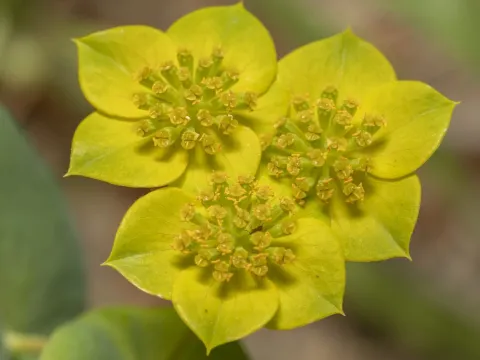
Bupleurum subovatum
Bupleurum subovatum
The sowing of Bupleurum subovatum typically begins in early spring once the soil temperature is stable. Precise depth management is essential to ensure uniform emergence, as the seeds require steady moisture during the initial phase of development.
What the section contains
Bupleurum subovatum
Row spacing should be maintained between 30 and 45 centimeters to provide enough space for root expansion and facilitate mechanical weeding. This spacing is crucial for managing the plant population density effectively.
Autumn sowing is also an option in certain regions, utilizing natural winter moisture to jump-start growth in early spring. This approach often results in more robust plants that can withstand summer stress better.
Standard seeding rates are determined by seed quality and soil preparation. Using high-viability seeds ensures that the crop establishment phase proceeds without significant gaps in the field.
Rolling the soil after sowing can significantly improve seed-to-soil contact, which is vital for fast and consistent germination. This simple step can increase total field productivity by reducing erratic emergence.
Bupleurum subovatum is a member of the Apiaceae family. It thrives in well-drained soils, ideally ranging from sandy loams to structured chernozems, and prefers a neutral or slightly alkaline pH environment.
This crop is recognized for its relative drought tolerance, making it a viable candidate for various climatic zones. It demands full sun exposure to maximize the accumulation of biologically active compounds within the foliage.
Temperature management is straightforward, as the plant is adapted to temperate climate cycles. It does not tolerate waterlogging, so field selection should focus on areas with excellent natural drainage.
Nutrient management focuses on moderate phosphorus and potassium application. Nitrogen levels should be kept low to prevent excessive vegetative growth that could lead to poor quality of medicinal raw material.
Soil aeration through mechanical cultivation is necessary to maintain root health. Breaking the surface crust after heavy rain prevents the development of hypoxic conditions in the root zone.
The yield of Bupleurum subovatum is measured by the total weight of dried aerial biomass. Commercial production yields vary depending on site management, but intensive methods can produce significant quantities of quality raw material.
Harvest timing is the most critical factor influencing yield. Harvesting at the peak of the flowering stage ensures the highest concentration of active ingredients, which determines the market value of the product.
Seed production is an important secondary benefit of this crop. When managed correctly, it provides a sustainable supply of seeds for subsequent production cycles, reducing dependence on external vendors.
Productivity is highly correlated with weed control efficiency. Fields kept free of competing plants during the first month of growth show superior biomass development and consistency at harvest time.
Regular sampling of the field helps to predict the harvest volume accurately. This data-driven approach allows for better planning regarding post-harvest processing and logistics.
Fungal diseases like powdery mildew are the primary threats, especially in humid and poorly ventilated fields. Good field hygiene and proper plant spacing are effective preventive measures for these issues.
Aphids and various larvae can pose risks during the vegetative phase. Integrated pest management strategies are recommended to minimize damage while maintaining the medicinal quality of the harvested crop.
Weed interference is the greatest threat to seedling success. Because Bupleurum grows slowly early on, weeds can easily outcompete the crop if not controlled through early mechanical or manual intervention.
Root rot is typically associated with stagnant moisture conditions. Correcting soil drainage and avoiding over-irrigation are key to managing this risk effectively over long periods.
Crop rotation is fundamental to minimizing soil-borne pathogens. Avoiding fields that previously held other Apiaceae crops prevents the buildup of specialized pests and soil diseases.
The harvesting process should be executed during the full bloom phase using appropriate cutting equipment. Dry weather is essential to maintain the quality of the raw material throughout the process.
Immediate drying is required post-harvest to prevent degradation. The material should be spread in thin layers under shade or in professional drying facilities where temperatures remain below 45 degrees Celsius.
Seed harvesting requires careful timing to avoid shattering. Harvesting should take place when the seeds begin to change color but before they fall naturally from the plant to the ground.
Post-harvest cleaning involves mechanical sorting to remove stems and debris. High-quality output is achieved through strict adherence to these drying and sorting procedures.
Proper storage is the final step, involving cool, dark, and dry conditions. Using breathable packaging materials prevents the risk of mold and maintains the integrity of the harvested plant material.