
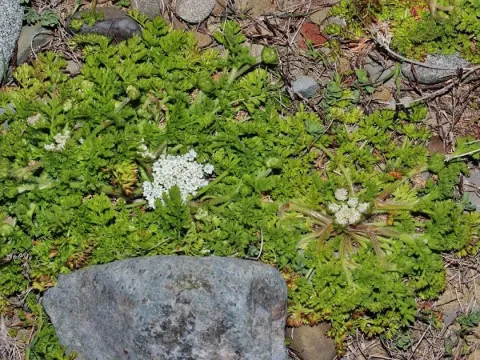
Daucus glaber
Daucus glaber
Daucus glaber is a unique species within the Apiaceae family, closely related to wild ancestors of the common carrot. Successful cultivation requires a deep understanding of its natural development cycles and biological needs.
What the section contains
Daucus glaber
Sowing should ideally occur in early spring, as soon as the soil reaches a temperature of 6-8 degrees Celsius. This temperature range is crucial for breaking seed dormancy and ensuring uniform germination.
Due to the small size and low energy of the seeds, surface sowing or very shallow planting (1-1.5 cm) is recommended. Seeds require sufficient light exposure to successfully initiate the germination process.
Selecting the right location is essential. Light, sandy-loam soils are preferred to facilitate the deep penetration of the taproot. Avoiding heavy, clay-rich soils is necessary to prevent root deformation.
Optimal spacing between rows should be maintained at 30-40 centimeters. This density allows for adequate light penetration and simplified maintenance throughout the growing season.
This species thrives in open, sun-drenched environments. Full sunlight is a strict requirement for both the healthy development of foliage and the proper expansion of the root system.
Daucus glaber prefers neutral or slightly alkaline soil conditions. Proper soil structure is vital; if the soil is too compact, it will hinder the plant's growth and reduce the overall quality of the harvest.
Water requirements are highest during the germination and initial vegetative stages. Once the root system is established, the plant shows moderate drought tolerance, though consistent moisture leads to better yields.
The use of nitrogen-rich fertilizers should be carefully managed. Excessive nitrogen leads to an overgrowth of leaves, which can negatively impact the plant’s resilience and the quality of the root.
Weed management is a top priority. As a slow-growing crop during its early phases, this species cannot compete with aggressive weeds, making regular hoeing an essential part of the agricultural process.
While Daucus glaber is not typically grown for massive commercial production like standard carrot varieties, its yield can be optimized through intensive care. The primary focus is on the health of the individual roots and seed production.
Yield stability is heavily dependent on soil aeration. Regularly loosening the soil between rows prevents crusting and ensures that the root system has access to sufficient oxygen.
The total biomass production is modest. However, by providing consistent moisture and adequate mineral nutrition, farmers can significantly increase the viability of the seeds harvested.
Seed harvesting must be done strategically, as the flowers in the umbels do not mature simultaneously. Multiple harvests of the umbels throughout the season are often necessary.
Because the crop is often kept for genetic preservation or niche purposes, yield reports are mostly limited to botanical studies and ecological restoration projects.
The plant is highly susceptible to typical pests associated with the Apiaceae family. The carrot rust fly (Psila rosae) is the most significant pest, as its larvae can destroy the main taproot.
Aphids represent another common threat, as they colonize the younger parts of the plant and transmit viruses. Monitoring the plants closely for early signs of infestation is crucial.
Fungal diseases like Alternaria leaf blight and Phoma rot are common in high-humidity environments. Improving drainage and ensuring good airflow are effective preventative measures.
Crop rotation is the most effective defense strategy. Avoiding planting this species in the same spot for at least 4-5 years significantly reduces the risk of soil-borne pathogens taking hold.
Using healthy, certified seeds and protecting the crop with fine-mesh netting can effectively minimize the need for chemical intervention, favoring organic and sustainable practices.
Harvesting should be conducted during dry weather to prevent the introduction of pathogens. The roots should be carefully lifted with a garden fork to avoid mechanical damage to the skin.
Once harvested, the roots should be cleaned and dried in a shaded, well-ventilated area. Direct sunlight must be avoided to prevent rapid dehydration and the loss of quality.
For short-term storage, the roots should be placed in a cool, humid environment. Sand storage is a traditional and highly effective method for maintaining moisture levels in the roots.
Seed harvesting is conducted once the umbels turn brown and dry. After collection, the seeds should be threshed, winnowed to remove impurities, and stored in a dry place.
Properly dried seeds will remain viable for several years, provided they are kept in airtight containers at stable, cool temperatures to prevent germination delay or loss of vigor.