
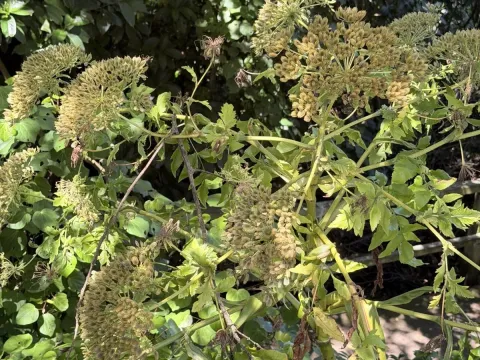
Daucus decipiens
Daucus decipiens
Daucus decipiens, commonly known as a wild carrot species endemic to Madeira, is typically grown in controlled environments such as botanical gardens or specialized nurseries. Sowing is usually carried out in the spring when soil temperatures reach a stable 15 degrees Celsius.
What the section contains
Daucus decipiens
Seeds are small and require a shallow sowing depth of approximately 1 to 2 centimeters. Using a fine-textured, well-draining substrate is crucial to ensure that the delicate seedlings can emerge without difficulty while maintaining necessary hydration levels.
When starting the seeds, it is recommended to keep the soil moist but not waterlogged. Germination can be somewhat uneven, so providing consistent warmth and light from the early stages is essential for establishing strong, healthy plants.
In terms of spacing, the plants require sufficient room for their leaf rosette to expand fully. Overcrowding can lead to stunted growth and increase the risk of disease, so thinning seedlings early in the season is a standard practice for this crop.
Because the species has adapted to specific island conditions, it often benefits from a period of stratification if the seeds have been stored for a long duration. This technique helps break dormancy and promotes a more uniform emergence of seedlings across the entire seedbed.
As a member of the Apiaceae family, Daucus decipiens thrives in conditions that mimic its native rocky, well-draining habitats. It prefers neutral to slightly alkaline soil types that are rich in mineral content but low in excessive organic nitrogen.
Sunlight is a primary requirement for this species. It demands a position in full sun to ensure the proper development of its inflorescences and the production of healthy seeds. Inadequate light levels will cause the plant to become leggy and significantly reduce its vitality.
The plant demonstrates a level of drought tolerance once established, though consistent moisture is necessary during the vegetative phase. Water management is key; the soil must be kept in a state that allows for quick drainage to prevent the root system from developing rot.
Temperature control is vital for successful growth. Being a subtropical species, it does not tolerate harsh frost. In regions with colder climates, it is essential to cultivate it in a protected environment like a cold frame or a greenhouse to maintain stable temperatures.
Good air circulation is also critical for the health of the plant. Stagnant air, especially in humid conditions, can lead to the development of mildew, which is a common issue for many members of the carrot family when grown in non-native conditions.
The most significant threat to Daucus decipiens is the carrot rust fly, which targets the roots and stems. Protection can be achieved through the use of fine insect netting or by implementing a strict rotation schedule to keep the pest populations at a minimum.
Fungal pathogens such as powdery mildew represent another frequent challenge, particularly when humidity levels remain high and airflow is restricted. Keeping the area around the plants clear of debris is a simple yet effective way to mitigate these fungal risks.
Aphids often target young shoots during the spring growth flush. Regular monitoring and the application of gentle interventions, such as potassium soap solutions, are usually sufficient to control aphid outbreaks without damaging the plant's delicate foliage.
Slugs and snails can also pose a threat to young seedlings in wet weather. Surrounding the plants with a physical barrier of grit or sand can prevent these pests from reaching the vulnerable leaves and stems, protecting the young plants during their most critical growth period.
To ensure the long-term health of the crop, it is advised to avoid monocultures of Apiaceae species. Alternating with unrelated plants in the garden beds helps to disrupt the life cycles of soil-borne pathogens that might otherwise accumulate over several growing seasons.
The primary harvest objective for Daucus decipiens is the collection of viable seeds for conservation or further propagation. Harvesting should occur once the flower umbels have turned brown and dry, indicating that the seeds are fully mature.
Timing the harvest is critical, as seeds can easily shatter and disperse if left on the plant for too long. It is recommended to snip the entire umbel and place it in a paper bag to catch any seeds that might drop during the drying process in a shaded, well-ventilated area.
Once dried, the seeds should be gently threshed and winnowed to remove any chaff or plant residue. Proper cleaning is essential for storage longevity, as any moisture trapped in debris can lead to mold development during the dormant winter period.
If the plant is grown for its root, it should be harvested before the onset of the cold season. Using a garden fork is preferred over a spade to lift the roots gently from the soil, minimizing damage to the skin which is crucial for preventing post-harvest storage diseases.
After the harvest, all plant material should be carefully inspected. If healthy, it can be composted to provide nutrients for future garden beds; however, any parts showing signs of insect infestation or disease should be disposed of in a sealed waste bin to prevent further spread.