
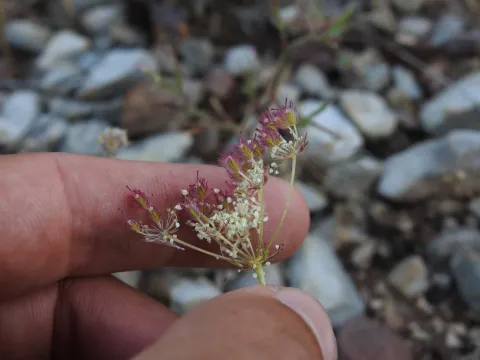
Daucus crinitus
Daucus crinitus
The sowing of Daucus crinitus is typically scheduled to optimize the natural growth cycle of this species. In temperate climates, sowing is performed either in the late autumn to allow for natural stratification or in the early spring once soil temperatures reach 10 degrees Celsius.
What the section contains
Daucus crinitus
Precision planting is essential due to the small size of the seeds. The seeds should be planted at a shallow depth of approximately 1 to 2 centimeters to ensure adequate light exposure, which triggers the germination process effectively.
In large-scale cultivation, modern seed drills are employed to maintain specific plant density. Avoiding overcrowding is crucial to ensure that each individual plant has sufficient space for root development and adequate airflow to prevent moisture-related issues.
Prior to sowing, seed priming or treatment with growth regulators can be beneficial to ensure uniform emergence. This practice is particularly important when sowing in outdoor fields where environmental conditions may fluctuate unexpectedly.
Seedbed preparation requires fine soil tilth to facilitate root penetration. Compacted soils should be avoided or loosened through deep plowing before the sowing procedure begins, as this plant is sensitive to soil structure impediments.
As a member of the Apiaceae family, Daucus crinitus thrives in environments that mimic its natural habitat. The plant requires well-drained, sandy loam soils that provide excellent aeration, as it is highly susceptible to root damage in waterlogged conditions.
Sunlight exposure is a primary requirement for the healthy development of this species. It is a heliophilic plant that performs best in full sun, which helps in the metabolic processes and the synthesis of secondary metabolites within the plant tissues.
The plant demonstrates a high level of drought tolerance once established, owing to its deep taproot system. However, for maximum biomass production, supplemental irrigation during the peak growing season is recommended to maintain optimal moisture levels.
Nutrient requirements are moderate, but a balanced soil pH between 6.5 and 7.5 is ideal. Soil testing should be performed regularly to ensure that essential micro and macronutrients are available for optimal growth and resistance to stress factors.
Cultural management includes consistent weed control during the seedling stage, as the plant grows slowly in its early phases. Mechanical cultivation should be shallow to prevent damage to the developing lateral roots near the surface.
The primary threats to Daucus crinitus are related to fungal pathogens, particularly those that cause crown and root rots. These diseases are most prevalent in areas with high humidity, poor soil drainage, or inadequate spacing between plants.
Pests such as umbelliferous moth larvae and various types of aphids can cause significant damage to the foliage and developing flower stalks. Integrated pest management strategies, focusing on biological controls, are preferred over synthetic pesticides.
Crop rotation is a fundamental practice to mitigate the accumulation of soil-borne pathogens. A minimum rotation interval of three to four years away from other Apiaceae species is strongly advised to maintain soil health and reduce disease pressure.
Environmental stress, such as extreme temperature fluctuations, can weaken the plants, making them more susceptible to infestation. Maintaining a steady growth rate through proper irrigation and fertilization helps the plants maintain their natural defenses.
Regular field scouting is an essential practice for early detection of potential outbreaks. Removing infested plant tissue early in the season is a critical step in preventing the widespread transmission of pathogens throughout the entire plantation.