
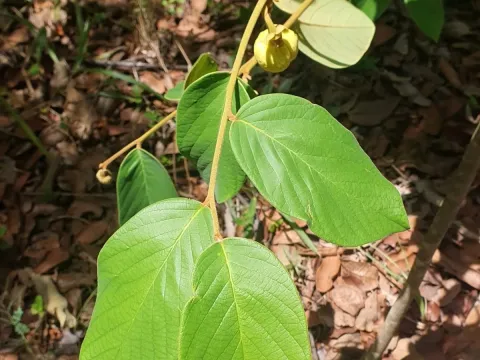
Annona tomentosa
Annona tomentosa
Annona tomentosa is a tropical tree species belonging to the Annonaceae family, native to the diverse ecosystems of South America. It thrives in humid tropical climates where temperatures remain consistently high throughout the year. The plant lacks cold hardiness, making it suitable only for regions with mild, frost-free winters.
What the section contains
Annona tomentosa
The cultural success of this plant largely depends on the soil quality. It prefers fertile, well-draining soils that are rich in organic matter. Waterlogged conditions are detrimental to the roots, which are sensitive to hypoxia. Therefore, ensuring proper drainage or planting on mounds is a standard practice in commercial and home orchards.
Botanically, the species is defined by its characteristic dense, woolly-like pubescence on young stems and the abaxial leaf surfaces. The leaves are typically leathery and elliptical, providing a lush canopy. The tree can grow into a substantial size, but pruning is frequently employed to manage its height and ensure easier maintenance and harvest.
Agricultural management requires careful attention to irrigation schedules. During dry spells, the trees must receive consistent watering to avoid fruit drop and foliage stress. Fertilization with balanced NPK formulas, supplemented with micronutrients, is recommended during the peak growing season to ensure robust growth and high fruit quality.
Economically, the plant is valued for its fruit, which offers a unique flavor profile often sought after in local markets. Beyond food consumption, the species contributes to biodiversity in its native range and has been studied for its potential medicinal properties. Its dense foliage also provides significant shade, making it a valuable addition to agroforestry systems.
The main threats to the plant include fungal pathogens such as anthracnose and leaf spot, which are exacerbated by high humidity and stagnant air. These diseases can defoliate the tree and significantly impact fruit development. Fungicide applications and spacing trees to allow for adequate airflow are essential mitigation strategies.
Pest pressures primarily come from sap-sucking insects including mealybugs, scale insects, and spider mites. These pests can cause significant damage to young shoots and fruit skin, often attracting secondary fungal growth. Integrated pest management, involving monitoring and the use of natural predators or targeted interventions, is recommended for healthy growth.