
Annona macroprophyllata
Annona macroprophyllata
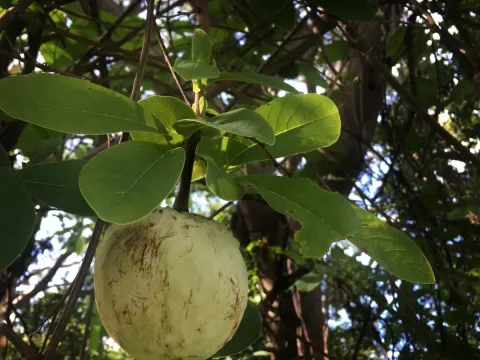
Annona macroprophyllata, commonly known as Ilama, is a tropical fruit tree belonging to the Annonaceae family. It is prized for its delicious, custard-like flesh and is a significant crop in parts of Central America, particularly in Mexico and Guatemala.
What the section contains
Annona macroprophyllata
The tree thrives in tropical climates characterized by distinct wet and dry seasons. It prefers altitudes ranging from sea level up to moderate elevations, where temperatures remain consistently warm throughout the year without reaching freezing points.
Soil requirements for this species are specific: it demands well-drained, fertile soil. While it can adapt to various soil textures, including limestone-based soils, it performs best in deep, rich loam that allows for extensive root development.
Agrotechnical management involves regular pruning to maintain a manageable tree height and to promote better airflow within the canopy. Proper light exposure is essential for photosynthesis, which directly influences fruit quality and sugar content.
In terms of irrigation, the tree is somewhat drought-tolerant once established. However, consistent moisture during the fruit-set and development stages is crucial to ensure maximum yield and to prevent premature fruit drop.
The yield of Annona macroprophyllata varies significantly based on the age of the tree and the environmental conditions. Mature trees, when properly managed, can produce a substantial number of fruits each season, often spanning several months.
Fruits are harvested when they show specific color changes or slight softening of the skin, depending on the variety. Hand harvesting is standard practice to prevent bruising, as the fruit skin can be quite delicate and prone to mechanical damage.
Post-harvest handling is critical because the fruit is highly perishable. It must be transported and stored under controlled conditions to extend shelf life and maintain the flavor profile that makes it a delicacy.
Yield consistency can be improved through hand pollination in areas where natural pollinators are scarce. This technique significantly increases the number of successfully set fruits per branch.
Economic potential lies in both local fresh markets and potential export of processed products. As global interest in exotic fruits grows, proper orchard management becomes essential for profitability and sustainable production.
Pest pressure from mealybugs and scale insects is a constant challenge for Annona growers. These pests congregate on the undersides of leaves and along stems, requiring integrated pest management (IPM) to keep populations below economic injury levels.
Fruit flies pose a major threat to the commercial quality of the fruit. Growers often employ bag-covering techniques to protect individual fruits from oviposition, ensuring high-quality, blemish-free harvests.
Fungal diseases, especially anthracnose, can be devastating during the rainy season. Excessive humidity fosters spore development, necessitating regular application of approved fungicides and strict sanitation practices.
Root rot, often caused by poor drainage, leads to the decline of the tree's vigor and eventual death. Site selection and proper contouring of the land are vital preventative measures against this soil-borne pathogen.
Regular monitoring of the tree's health, including inspection of the bark and root crown, is necessary to catch any infestations or infections early. Proactive care ensures the longevity and productivity of the orchard.