
Asimina incana
Asimina incana
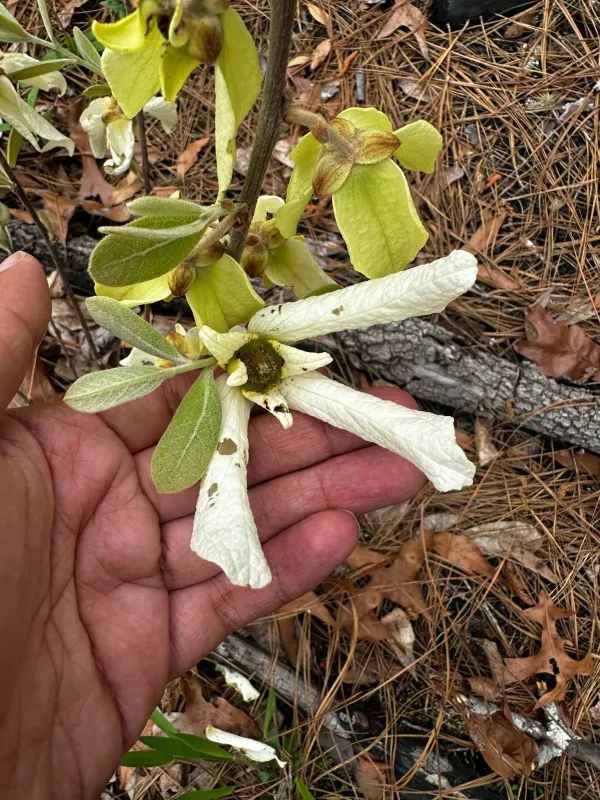
Description
Sowing dates
Sowing seeds of Asimina incana should be done immediately after harvesting, as the seeds lose viability quickly if allowed to dry out. Autumn is the best season for planting, as it allows seeds to undergo a natural cold stratification period in the soil.
Deep containers should be used for sowing because the plant develops a long taproot that is highly sensitive to transplantation shock. The growing medium should be loose, well-draining, and rich in organic matter to support seedling development.
Germination is notoriously slow and can take several months or even up to a year. During the first year, seedlings focus almost entirely on root growth, with minimal visible growth above the soil surface.
Maintaining a stable soil temperature between +20 and +25 degrees Celsius helps promote successful germination. Care must be taken to avoid waterlogging the soil, which can easily lead to embryo decay.
Seedlings should only be transplanted into their permanent outdoor locations during spring, once the danger of frost has passed and the soil has sufficiently warmed up.
Growing requirements
Asimina incana belongs to the Annonaceae family and is native to the sandy soils of the southeastern United States. It is a sun-loving shrub that thrives in areas with bright light but requires protection from harsh, drying winds.
The plant is adapted to poor, well-drained soils, typically preferring acidic to neutral pH levels. The most critical factor for success is the presence of deep soil, allowing the taproot to penetrate deeply for stability and nutrient uptake.
Moderate moisture is necessary, but the plant does not tolerate stagnant water around its root zone, which can cause root rot. In the juvenile stage, providing partial shade is recommended to prevent sunburn on the young leaves.
A long growing season with high summer temperatures is essential for the plant to properly develop its canopy and set flower buds. The plant is not frost-hardy and will suffer significant damage if exposed to freezing winter temperatures.
In regions with cooler climates, cultivation is best suited for greenhouses, conservatories, or as a container-grown plant that can be moved indoors during the winter months.
Yield
The yield of Asimina incana depends significantly on the efficiency of pollination, as the flowers are protogynous, meaning the stigma matures before the pollen. Cross-pollination between different individuals is often necessary to ensure fruit set.
In their native habitat, these shrubs produce small, aromatic fruits that have a custard-like texture and a flavor profile reminiscent of mango and banana. Fruit production usually begins after several years of growth.
The fruits have limited commercial use due to their delicate nature and extremely short shelf life. They are best enjoyed fresh or processed into artisanal desserts, smoothies, and ice creams.
Applying balanced fertilizers in early spring helps boost vegetative growth and potential yield. Over-fertilization, especially with nitrogen, should be avoided as it may promote lush green growth at the expense of fruit production.
Harvesting should be done carefully by picking fruits when they start to soften and develop their characteristic aroma. Fruits that are picked too early will not ripen properly off the tree.
Main diseases and pests
Asimina incana is naturally resistant to most common plant diseases, making it an excellent candidate for low-maintenance or organic gardens. Most issues are typically linked to improper drainage or cultural practices.
Root rot is the most common threat when the soil remains constantly wet for extended periods. Ensuring good drainage is the most effective preventative measure against fungal soil-borne pathogens.
Pests are rarely a major issue for this species due to the presence of specific compounds in the leaves that act as natural deterrents. However, in greenhouse environments, spider mites can sometimes become an issue.
Management of any observed pests should prioritize biological control methods, such as the use of horticultural oils or insecticidal soaps, to ensure the safety of the fruit.
General hygiene, such as removing fallen leaves and maintaining good air circulation around the canopy, will significantly reduce the risk of any fungal infections occurring on the foliage.
Harvesting
Harvesting Asimina fruits requires a gentle touch because the skin is very thin and the flesh is soft. Fruits should be hand-picked by gently twisting them from the stem to avoid bruising the delicate produce.
Maturity is indicated by a soft, pliable feel and a distinct fragrance. Once a fruit reaches this stage, it should be harvested immediately to avoid it falling to the ground and becoming damaged by soil pests.
Given the short shelf life, harvested fruits should be consumed or processed within two to three days. Refrigeration can help extend this period by a couple of days but does not stop the ripening process entirely.
These fruits are highly valued in culinary arts for their rich nutritional profile, containing various vitamins and minerals. They are increasingly sought after by enthusiasts of rare and exotic tropical fruits.
After the harvest season is over, light pruning can be performed to remove dead or diseased wood, ensuring the plant remains healthy and energized for the next growing season.