
Annona salzmannii
Annona salzmannii
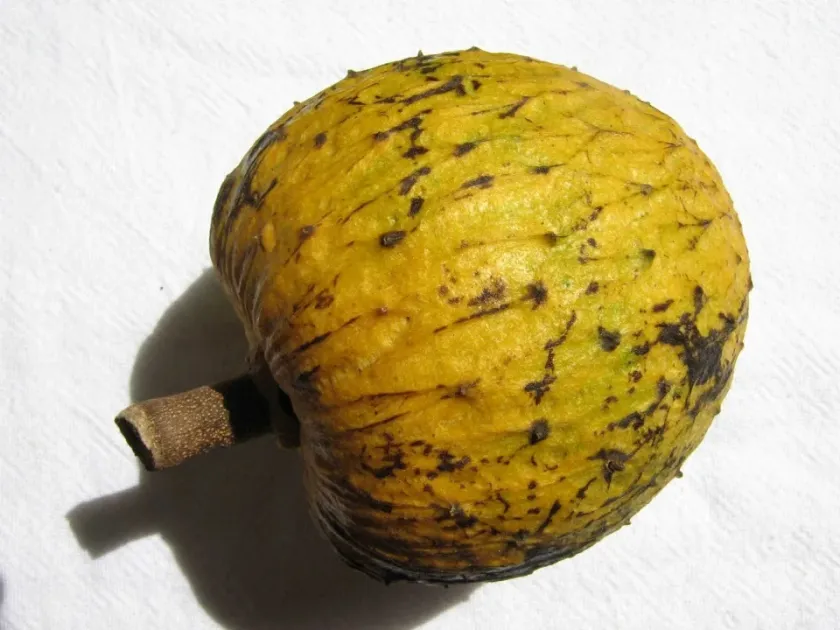
Description
Growing requirements
Annona salzmannii is a tropical evergreen tree belonging to the Annonaceae family. In its natural habitat, it thrives in the Atlantic coastal forests of Brazil, a region characterized by high humidity levels and a lack of significant seasonal temperature fluctuations.
To ensure successful cultivation, the plant requires tropical conditions with consistently high temperatures and a complete absence of frost. It is extremely sensitive to temperatures below +10°C, meaning it is grown primarily in mild tropical regions or specialized greenhouses.
Soil requirements include well-drained, fertile loamy or sandy loam soils with a neutral to slightly acidic pH. It is crucial to avoid waterlogged areas, as the root system is highly susceptible to fungal rot caused by poor drainage and standing water.
The tree prefers sunny locations with light shade during its early stages of development; however, mature trees require full sunlight for optimal fruit production. Providing protection against strong winds is essential to prevent physical damage to fragile branches and premature fruit drop.
Agrotechnical practices involve regular irrigation during drought periods, the application of organic fertilizers, and mulching the base of the tree. Mulch helps maintain necessary soil moisture levels and suppresses weed growth, mimicking the forest floor environment.
Yield
The fruits of Annona salzmannii, often referred to in Brazil as the "arti fruit" or aromatic annona, possess a distinct flavor profile. Yield potential varies depending on the tree's age and management practices, typically peaking after five to seven years of growth.
The fruit pulp is prized for its creamy consistency and sweet taste, making it ideal for fresh consumption, as well as for use in juices, jams, and desserts. Harvesting should occur as the fruit reaches physiological maturity, indicated by a slight softening of the skin.
Because mature fruits have a short shelf life, it is recommended to harvest them at the firm-ripe stage for local market distribution. The total yield per mature tree can be substantial, making it a viable crop for small-scale tropical fruit farms.
Beyond culinary use, the species is of interest to plant breeders due to its genetic resilience and the unique organoleptic qualities of its fruit. The product is generally categorized within the premium segment of the exotic fruit market.
To enhance productivity, moderate pruning is practiced to shape the canopy and improve light penetration into the interior of the tree. This helps maintain air circulation, prevents overcrowding, and reduces the risk of disease outbreaks.
Main diseases and pests
The primary threats to this culture are insect pests native to its region, such as fruit flies, which can compromise developing crops. Additionally, scale insects and mealybugs may colonize the foliage, requiring diligent monitoring and prompt intervention.
Fungal diseases, including anthracnose, can affect both leaves and fruits if humidity is high and canopy ventilation is inadequate. Preventive measures include maintaining a clean orchard floor and the systematic removal of dry or diseased wood.
Root rot represents the most dangerous pathology, often caused by inadequate drainage management. Upon the first signs of wilting or leaf discoloration, growers should prioritize soil aeration and adjust the irrigation schedule immediately.
Pest management should be rooted in integrated pest management (IPM) strategies, utilizing biological control agents and regulated insecticide applications to prevent chemical residues from accumulating in the harvested fruit.
Regular phytosanitary inspections are vital to detect infection hotspots at an early stage. Maintaining spatial isolation from other Annonaceae species, especially if those are susceptible to viral or bacterial pathogens, is highly recommended to protect crop health.