
Annona rugulosa
Annona rugulosa
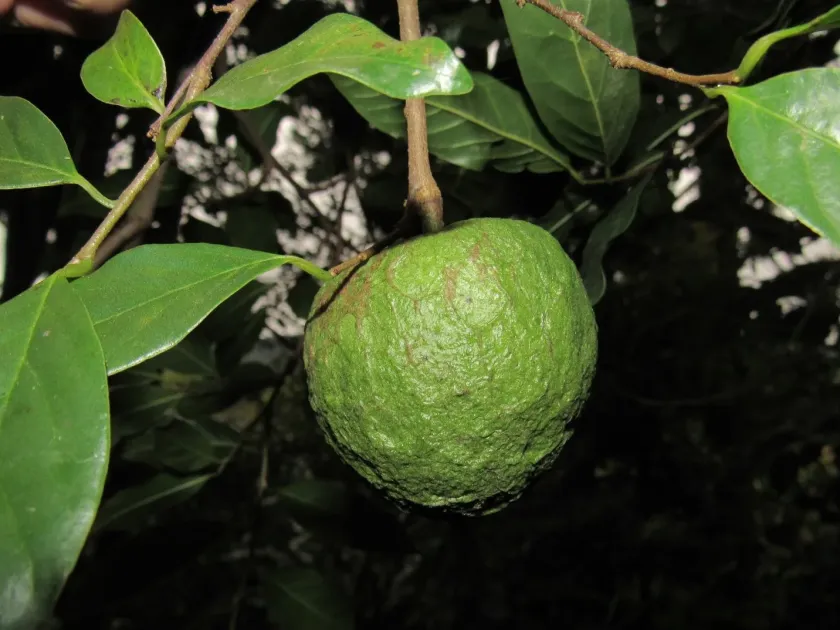
Description
Growing requirements
Annona rugulosa is a rare evergreen tropical tree belonging to the Annonaceae family. It is native to specific regions of South America, where it thrives in humid, shaded forest environments.
The tree requires a stable tropical climate to survive, as it is highly sensitive to temperatures below 15 degrees Celsius. It grows best in environments with minimal temperature fluctuations throughout the year.
Soil requirements for this species include high fertility, excellent drainage, and a slightly acidic to neutral pH. It cannot tolerate waterlogged soils, which cause rapid root rot and systemic failure of the tree.
Consistent high humidity is essential for the tree's health, particularly for new leaf development and fruit setting. In regions with lower humidity, specialized irrigation or micro-sprinkler systems are recommended.
Though the tree enjoys bright light, young specimens must be protected from direct intense sunlight to prevent leaf scorch. Wind protection is also necessary to maintain the integrity of the branching structure.
Yield
The fruits of Annona rugulosa are highly prized for their custard-like texture and complex, sweet flavor profile. They are considered an exotic treat and are predominantly sold in local markets near their native habitats.
Commercial production is challenging due to the specific pollination requirements of the genus. Trees generally begin to fruit within 4 to 6 years when cultivated under optimal conditions.
Typical fruit size ranges between 200 and 500 grams. Harvesting must be performed precisely when the skin begins to soften, as over-ripened fruits fall and damage easily.
The fruits are highly perishable and require careful handling during transport. They are commonly consumed fresh or used in high-end culinary applications, including tropical smoothies and dessert bases.
Proper harvest management includes manual collection to ensure the quality of the delicate skin and flesh. Post-harvest cooling is suggested if storage is necessary for short-term shelf life.
Main diseases and pests
The most significant threats to Annona rugulosa are fungal pathogens that flourish in tropical humidity. Anthracnose can cause severe lesions on both the fruit skin and foliage.
Pests such as mealybugs and scale insects are frequent issues. These sap-sucking insects weaken the tree and often trigger the growth of sooty mold on the leaves, which inhibits photosynthesis.
Effective management strategies include routine pruning to increase airflow within the canopy. Improving ventilation reduces the buildup of humidity, which is a major factor in suppressing disease outbreaks.
Root health is paramount, as soil-borne pathogens can be devastating. Proper irrigation practices must be strictly followed to ensure the soil remains moist but never saturated.
Integrated pest management, including the use of horticultural oils or natural predators, is recommended to control insect populations while maintaining the tree's ecological health.