
Asimina angustifolia
Asimina angustifolia
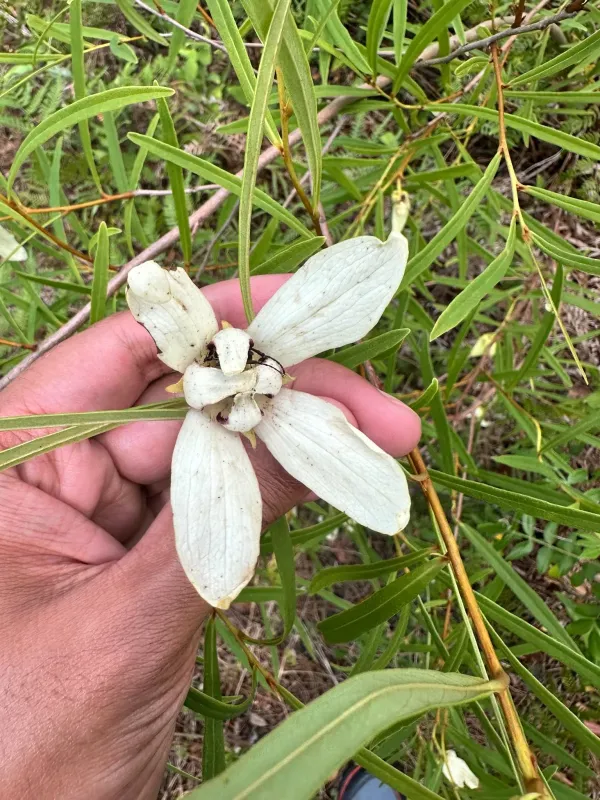
Description
Growing requirements
Asimina angustifolia, commonly known as the narrow-leaf pawpaw, is a distinctive shrub belonging to the Annonaceae family. It is native to the southeastern United States, specifically thriving in the sandy soil regions of Florida and Georgia.
This species is highly adapted to open pine forests and scrubby habitats. Unlike its relatives, it possesses narrow, elongated leaves that distinguish it within the genus. It requires specific ecological conditions to thrive, preferring well-drained, acidic soil types.
The climate requirements for Asimina angustifolia are strictly subtropical. The plant performs best in regions where moisture levels are consistent, but it is extremely intolerant of waterlogged soil, which often leads to root death.
Agricultural management of this crop involves choosing a planting site with excellent drainage. In nursery or garden settings, young plants benefit from partial shading to mimic the understory conditions of their natural habitat, protecting them from intense solar radiation.
The cultivation process requires patience, as the species has a relatively slow growth rate during its initial establishment period. Regular mulching is recommended to maintain stable soil temperatures and preserve soil structure near the developing root system.
Main diseases and pests
Root rot pathogens represent the primary threat to Asimina angustifolia. These fungi thrive in wet, stagnant soil conditions and can cause irreversible damage to the plant's vascular system, often leading to sudden wilting and decline.
Pests such as aphids and scale insects are common occurrences. These sap-sucking insects can severely stunt the development of new growth, particularly on tender spring shoots, and may require targeted intervention.
Integrated pest management is recommended to protect the plants. Regular monitoring of the underside of leaves for signs of infestation allows for early detection and localized control, reducing the need for chemical applications.
Sanitation is essential to prevent the spread of foliar diseases. Removing fallen, decaying foliage from the base of the plant reduces the buildup of inoculum and helps maintain a healthier growing environment for the shrub.
Nutritional management also plays a part in disease resistance. Ensuring the plant receives adequate micronutrients prevents physiological disorders that could otherwise make the plant more susceptible to opportunistic pathogens and pest attacks.