
Annona neosericea
Annona neosericea
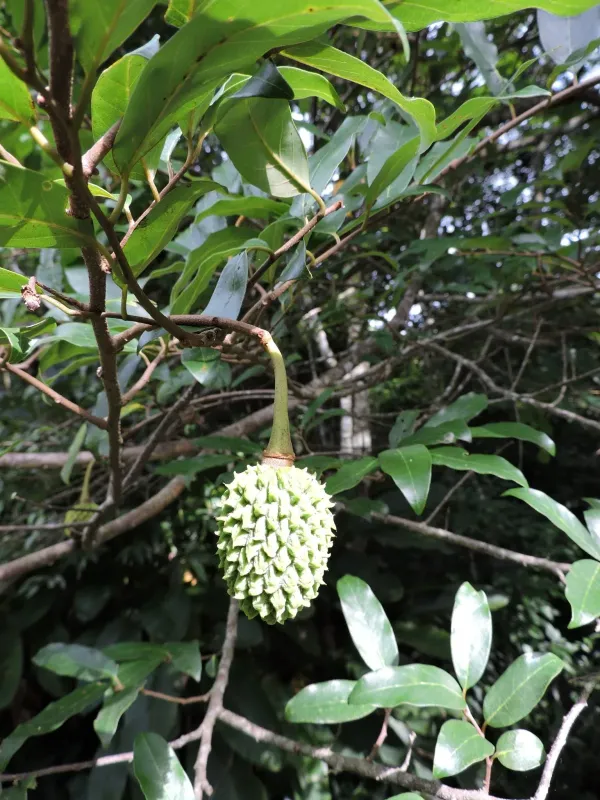
Description
Growing requirements
Annona neosericea is an evergreen tree species belonging to the Annonaceae family. It is native to the tropical rainforests of South America, specifically in the Amazon basin, where it thrives in hot and humid conditions.
This crop requires consistently high temperatures and a frost-free environment for healthy development. It prefers well-drained, fertile soils, such as loams or red tropical soils rich in organic matter, with a neutral to slightly acidic pH level.
The plant features distinct botanical characteristics, including leathery leaves with a characteristic silky pubescence on the underside, which is the origin of the species name. The shoots have high growth potential, necessitating ample space for the canopy to develop.
Optimal growth is achieved in sunny locations, although young specimens may require shade during peak sunlight hours. Providing protection from strong winds is essential to prevent mechanical damage to the delicate foliage and developing fruits.
The cultivation practices involve regular irrigation, strictly avoiding waterlogging, as the species is highly susceptible to root rot. Applying organic mulch around the root zone helps maintain moisture levels and protects the soil from excessive heat.
Main diseases and pests
Primary threats to this crop are associated with high tropical humidity. Fungal diseases, particularly anthracnose, can affect fruits and leaves during prolonged rainy seasons, significantly reducing overall harvest quality.
Common pests include mealybugs and scale insects, which feed on the sap of young shoots. Management involves a combination of biological control methods and systemic insecticides in case of severe infestations.
Soil-borne nematodes can cause damage to the root system, so it is recommended to treat the soil before planting or to use resistant rootstocks whenever possible.
Mites may cause leaf yellowing and deformation during dry spells. Regular monitoring of the plant canopy is crucial to detect early signs of infestation and prevent rapid pest multiplication.
Disease prevention is achieved by ensuring good air circulation within the canopy through regular sanitary pruning. Removing damaged or dead branches prevents the accumulation of pathogenic fungal spores within the tree structure.