
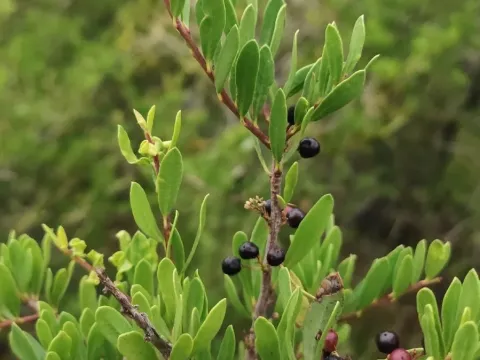
Schinus polygama
Schinus polygama
Propagation of Schinus polygama is typically performed through seeds or stem cuttings. Seeds are sown in a well-draining substrate during early spring, maintaining a consistent temperature of around 20–22 degrees Celsius to ensure uniform germination.
What the section contains
Schinus polygama
It is recommended to stratify the seeds for several weeks before sowing to improve their viability. Seedlings should be transplanted outdoors only after the risk of frost has completely passed, as young plants are particularly sensitive to cold temperatures.
For vegetative propagation, semi-hardwood cuttings are taken during the summer months. These are rooted in a sandy peat mixture under greenhouse conditions or plastic covers to maintain the high humidity levels necessary for root development.
Planting density depends on the intended use; closer spacing is preferred for hedges, while wider spacing is required for specimen trees to ensure adequate airflow around the crown.
The chosen site must be sunny and sheltered from high winds, which can damage the delicate branches. Proper planning of the layout is essential for the long-term health of the shrub.
Schinus polygama belongs to the Anacardiaceae family and is an evergreen shrub or small tree native to South America, specifically regions in Chile and Argentina. It has evolved to thrive in subtropical climates with distinct wet and dry seasons.
The plant is highly drought-tolerant, making it an excellent candidate for xeriscaping. However, it requires well-drained soil, as waterlogged conditions lead to root rot and other physiological stressors that quickly diminish plant vigor.
In terms of soil composition, it prefers light, loamy, or sandy soils with a neutral to slightly acidic pH. Poorly aerated, heavy clay soils should be avoided or amended with organic matter to improve drainage.
During the active growth season, moderate irrigation is beneficial for optimal development. Once established, the root system is deep and efficient enough to sustain the plant through short-to-medium dry spells.
Climate is the most critical limiting factor for its cultivation. While it is hardy in many respects, it is not strictly frost-tolerant and requires protection in regions prone to freezing temperatures during winter.
The fruits of Schinus polygama are harvested once they reach full maturity, indicated by their deep color and spicy aroma. The harvest is generally conducted by hand-picking the entire clusters to avoid damaging the plant.
Following harvest, the berries are cleaned and air-dried in a shaded, well-ventilated area. Direct sunlight must be avoided during the drying process to preserve the delicate essential oils that provide the plant with its characteristic flavor.
The dried fruits are utilized as a culinary spice, often referred to as a type of pink peppercorn. They add a mild, sweet-peppery flavor to various dishes, making them a niche but valuable crop in some regions.
The pharmaceutical industry also values these berries for their potential therapeutic properties, including anti-inflammatory compounds. Extracts are prepared from the dried matter for use in various health products.
Storage requires airtight containers to maintain freshness and aroma over time. Properly stored dried fruits can retain their culinary properties for up to a year under cool, dry conditions.
The most significant threat to Schinus polygama is excessive soil moisture, which predisposes the root system to fungal infections. Maintaining a strict drainage protocol is the primary defense against these diseases.
Common pests include scale insects and mealybugs, which feed on the sap and cause leaf yellowing and reduced growth. Regular inspection of the foliage, especially the underside, is necessary for early detection.
When pest infestations occur, systemic insecticides are often employed. It is best to apply these treatments in the late afternoon to prevent leaf scorch and to protect beneficial pollinators that might visit the plant.
Powdery mildew can become an issue if the plant is grown in areas with poor airflow and high humidity. Pruning to open the canopy helps improve air circulation and significantly reduces the risk of fungal buildup.
Overall, preventative care involves keeping the base of the plant free of debris and ensuring that the shrub is not overcrowded, which helps maintain a healthy microclimate around the plant.