
Rhus viminalis
Rhus viminalis
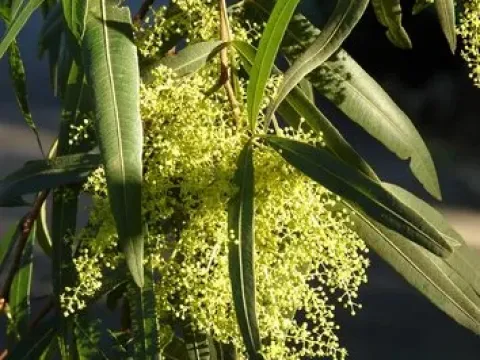
Rhus viminalis, commonly known as the willow rhus, is a graceful tree belonging to the Anacardiaceae family. It is widely recognized for its elegant, weeping canopy and long, slender leaves, which set it apart from other species in the genus.
What the section contains
Rhus viminalis
Native to Southern Africa, this species is well-adapted to arid environments. Its natural habitat includes diverse climates where it has developed significant resistance to prolonged droughts and intense direct sunlight, making it a robust candidate for xeriscaping.
The tree thrives in well-drained soil types, particularly sandy or loamy soils with a neutral pH level. Proper site selection is crucial, as the plant will struggle significantly in areas prone to waterlogging or high moisture retention, which can easily induce root rot.
As a sun-loving plant, Rhus viminalis requires full exposure to thrive. When placed in shaded areas, the tree often loses its characteristic weeping shape and density, leading to spindly growth that is less aesthetically pleasing and more prone to mechanical damage.
Agricultural maintenance involves minimal intervention. Once established, the tree is highly self-sufficient and requires only occasional structural pruning to remove dead or diseased wood, ensuring that the elegant silhouette remains intact throughout the year.
Root rot is the most serious threat to the longevity of Rhus viminalis. This condition is almost exclusively associated with improper irrigation practices or poor soil drainage, necessitating careful monitoring of the moisture levels around the root zone.
Fungal leaf spot diseases can occur during humid growing seasons. To prevent this, maintaining adequate air circulation within the canopy is essential, and fungicidal sprays should be utilized if early signs of infection appear on the foliage.
Aphids are a frequent nuisance, particularly during the spring flush of new growth. While they rarely kill mature trees, they can severely stunt growth and cause leaf distortion, making the application of systemic insecticides an effective preventative measure.
Scale insects can also infest the bark, extracting vital sap and weakening the tree's overall vigor. Regular monitoring and the application of horticultural oils during the dormant period can effectively manage populations before they cause significant damage.
Environmental stress, such as unseasonal frosts, can lead to dieback in younger trees. Protecting saplings during their first few years is critical to ensure they reach maturity without compromising their health or structural integrity.