
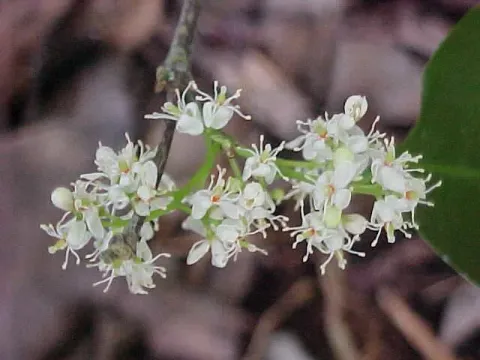
Amyris polymorpha
Amyris polymorpha
Amyris polymorpha is an evergreen shrub or small tree belonging to the Rutaceae family. It is native to the Caribbean region, particularly found in Cuba and Haiti, where it thrives in dry, subtropical environments.
What the section contains
Amyris polymorpha
The plant requires well-drained, limestone-rich soils to thrive. It is highly adapted to arid conditions and prefers full sun exposure to maximize its growth and the accumulation of essential oils within its woody tissues.
Agronomic management of Amyris involves minimal irrigation during the establishment phase, as the plant is remarkably drought-tolerant. Soil aeration is critical, as the roots are sensitive to waterlogging, which often leads to decay.
The propagation is typically done through seeds. Seedlings require careful attention during the first two years of development, particularly regarding weed control, as the young plants grow slowly compared to other species.
The economic value of this crop lies in its resinous wood, which produces a high-quality essential oil used extensively in the perfume and pharmaceutical industries for its aromatic and antiseptic qualities.
Fungal diseases affecting the root system are the primary threat, especially in areas with high humidity or poor drainage. Proper site selection is the best preventative measure against these pathogens.
Scale insects and aphids are the most common pests that affect the foliage. These insects can stunt the growth of young plants and reduce the overall health of the plantation if left untreated.
Integrated Pest Management (IPM) is highly recommended. By utilizing natural predators or organic sprays, farmers can protect the plant without compromising the purity of the valuable essential oils.
Pruning tools should be kept clean and sanitized to avoid the transmission of pathogens between plants. This is a crucial step during the periodic maintenance of the orchard.
Maintaining a clear space around the base of the shrub helps improve airflow and reduces the risk of moisture-related fungal outbreaks, ensuring the long-term productivity of the crop.