
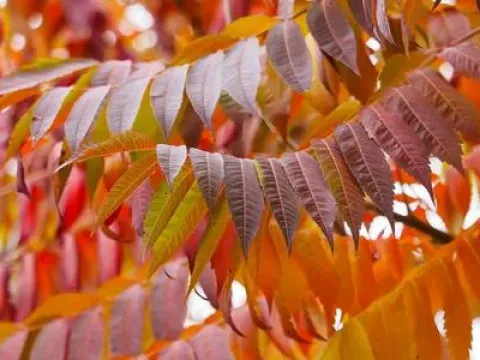
Rhus orientalis
Rhus orientalis
Rhus orientalis, commonly known as oriental sumac, is a woody perennial belonging to the Anacardiaceae family. Native to East Asian regions including Japan and Korea, this species is highly valued both for its ecological role in slope stabilization and its aesthetic contribution to garden design.
What the section contains
Rhus orientalis
The plant thrives in well-drained, sunny environments. While it demonstrates remarkable tolerance to poor, rocky soil conditions, it requires adequate access to direct sunlight to ensure optimal photosynthesis and the development of its characteristic vibrant foliage colors during the autumn months.
Soil structure should ideally be loose and porous. Because Rhus orientalis is sensitive to excessive moisture, planting in low-lying areas where water accumulates should be avoided. A slightly acidic to neutral soil pH is preferred, although the species is generally flexible regarding nutrient content.
Agricultural management involves establishing a strong root system during the first two seasons. Once matured, the plant is relatively low-maintenance, requiring only periodic pruning to remove damaged branches or to maintain the desired shape and size within a landscape setting.
Beyond its ornamental use, the plant holds potential in industrial applications due to its tannin content. Historically, various parts of the plant have been utilized in tanning leather and producing natural dyes, highlighting the importance of this species in traditional botanical-based industries.
The primary threat to the health of Rhus orientalis is fungal infection, particularly root rot, which occurs when the plant is kept in waterlogged conditions. Proper soil aeration is the most effective preventative measure against these soil-borne pathogens.
Pest management is often focused on controlling aphids, which can infest the succulent tips of new growth. Using targeted biological controls or soaps can mitigate the impact of these insects without disrupting the local garden ecosystem or harming beneficial insects.
Leaf spot diseases may appear during periods of high humidity or poor air circulation. To manage this, gardeners should ensure adequate spacing between specimens, allowing the wind to dry the leaves quickly after rainfall, thereby reducing the environment favorable for fungal spores.
Damage to the bark from physical sources or small mammals can lead to secondary infections by wood-boring insects. Periodic inspections of the trunk are recommended to identify such vulnerabilities early and apply protective treatments as needed.
Overall, maintaining plant vitality through appropriate fertilization and consistent, yet moderate, watering schedules is the best strategy for pest and disease prevention. A robust plant will naturally exhibit stronger resistance to common environmental stresses.