
Sclerocarya birrea
Sclerocarya caffra
Description
Growing requirements
Sclerocarya birrea (also known as Sclerocarya caffra) is a deciduous tree belonging to the Anacardiaceae family. Native to the miombo woodlands of Southern Africa, it is a hardy, drought-tolerant species.
The tree typically reaches heights of 10 to 18 meters, featuring a wide, spreading canopy and a deep root system designed to access water in arid environments.
It thrives in sandy, well-drained soils and requires full sun exposure to achieve optimal growth. It is highly sensitive to frost, which limits its cultivation to tropical and subtropical regions.
Being a dioecious species, orchards require both male and female trees to facilitate pollination, which is primarily performed by wind and local insects.
Agricultural management focuses on minimal intervention, as the tree is exceptionally adapted to the harsh conditions of the African savanna and requires little in terms of fertilization or irrigation.
Yield
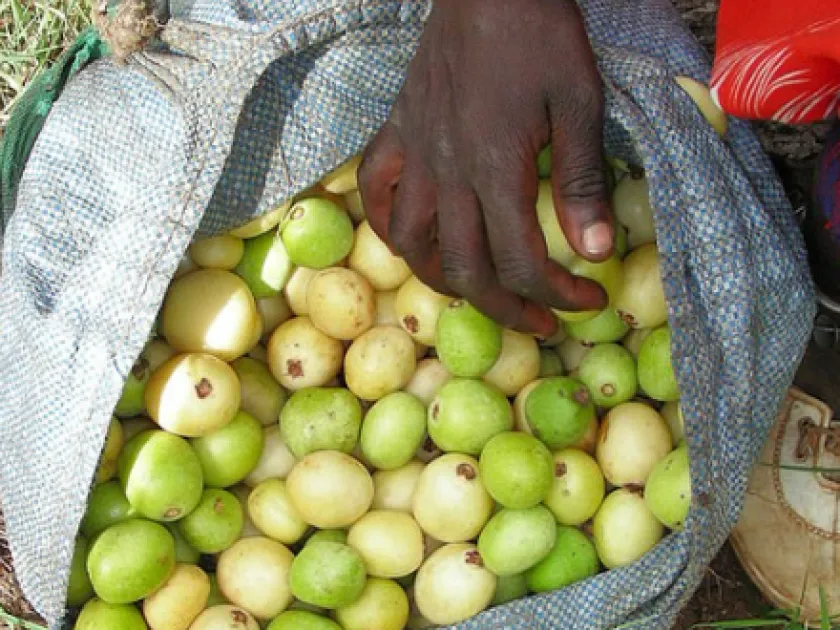
The primary yield from this crop is the marula fruit, which is highly prized for its high vitamin C content and unique, tart flavor used in juices and alcoholic beverages.
Beyond the fruit, the kernels found inside the hard endocarp are cold-pressed to extract marula oil, a high-value product in the global cosmetic market known for its moisturizing properties.
The wood of the tree is soft and durable, traditionally used for carving, furniture making, and creating household implements by rural communities.
Bark and leaves are harvested for medicinal purposes, utilized in traditional treatments for various ailments, providing an additional income stream for farmers.
The multi-purpose nature of the marula tree makes it an essential component of agroforestry systems in regions where it naturally grows or is intentionally cultivated.
Main diseases and pests
The most common pests affecting the marula tree include fruit flies and weevils, which can cause significant damage to the fruit crop during the developmental stages.
Fungal pathogens can pose a threat, particularly if the trees are planted in waterlogged soil, leading to root rot and diminished tree vigor.
Defoliating insects can occasionally cause damage to the canopy, though healthy trees are usually resilient enough to recover without extensive intervention.
Effective management includes regular monitoring of orchards and the prompt removal of any diseased plant material to prevent the spread of infections.
Environmental stress, such as prolonged flooding, remains the most significant non-biological threat to the long-term health and productivity of the trees.
Harvesting
Harvesting typically occurs when the fruits ripen and fall to the ground. This process is time-sensitive, as fruits ferment rapidly under tropical heat.
Due to the ripening characteristics, manual collection is the standard method, often requiring daily rounds through the orchard during the peak season.
Post-harvest logistics involve immediate transportation and processing to ensure the quality of the juice or to prepare the stones for kernel extraction.
The stones are dried after the pulp is removed; the kernels are then mechanically extracted to ensure maximum oil yield and quality standards.
Proper storage of the harvested fruit and kernels is vital to maintain the integrity of the bioactive compounds found in the oils and juices.