
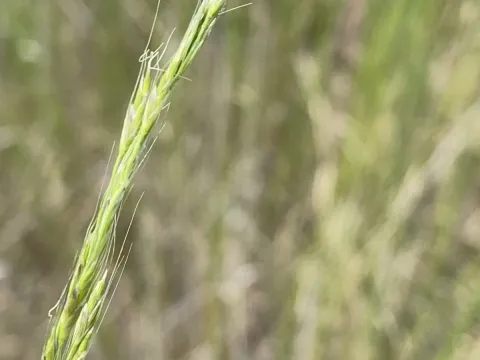
Amphibromus
Amphibromus
Sowing of Amphibromus is typically carried out in early spring when the soil temperature becomes suitable for germination. In regions with milder climates, late autumn sowing is an option that allows for natural seed stratification.
What the section contains
Amphibromus
The seeds are relatively small, so the optimal planting depth should be shallow, generally within 1 to 2 centimeters. Ensuring precise seed placement is essential for achieving a uniform stand density across the field.
It is recommended to use specialized grain drills to maintain consistent seeding rates. Proper calibration of equipment is necessary to avoid wastage and ensure that the plants are not spaced too densely, which could lead to competition.
After seeding, rolling the field is a standard practice to compress the topsoil. This action improves moisture retention around the seeds and provides the necessary contact for efficient water uptake during the initial germination phase.
Early management involves monitoring for weed pressure. Since this grass has a moderate initial growth rate, keeping the field free from competitive weeds during the first month is critical for its long-term success.
Amphibromus is a genus of grasses belonging to the Poaceae family, known for its preference for moist environments. It naturally thrives in areas with high water tables, wetlands, and riparian zones.
The plant exhibits high tolerance to temporary flooding, making it an excellent candidate for agricultural land that experiences seasonal waterlogging, where other standard grass species might fail.
Regarding soil preferences, it performs best in nutrient-rich loams or peat soils. However, its broad ecological range allows it to tolerate slightly acidic or less fertile soils common in marshy terrains.
In terms of climate, it requires a moderate temperature range throughout the growing season. The plant demonstrates good winter hardiness, allowing it to persist in temperate climates without major damage.
Adequate sunlight is necessary for the plant to reach its full productive potential, particularly during the reproductive phase. While it is hardy, significant shade can reduce biomass accumulation.
The biomass yield of Amphibromus depends heavily on site conditions, particularly water availability. Under favorable conditions, the grass forms a dense, high-yielding sward suitable for forage.
The forage quality is notable due to its high protein content during the vegetative stage. It remains palatable to livestock even as the plant approaches the heading stage, unlike some coarser grasses.
With sufficient soil moisture, the plant shows strong regrowth capacity following mowing, enabling multiple harvests per season if managed correctly under controlled grazing or cutting regimes.
Its ability to recover quickly makes it a valuable asset for pasture management. It can withstand moderate grazing pressure, which is beneficial for sustainable land use in livestock operations.
Long-term yield stability is a key advantage, as a well-established field of this grass can remain productive for several years without the need for frequent reseeding.
The primary threats to Amphibromus are fungal pathogens, which are often exacerbated by the moist conditions the plant naturally inhabits. Leaf rusts and various spots can diminish the plant's photosynthetic capacity.
Insect pests common to other grasses may also affect this species, particularly those that target the seed heads. Regular monitoring of the fields is essential during the reproductive stage.
Crop rotation remains the best preventative measure against soil-borne pathogens. Avoiding monocultures helps to maintain soil health and reduces the overall pest load on the field.
High plant density, while good for yield, can increase the risk of powdery mildew outbreaks, especially during periods of fluctuating temperatures in the late spring or early summer.
Integrated pest management strategies, focusing on early detection and biological controls, are recommended over reliance on heavy chemical interventions to maintain forage safety.
The optimal harvest time for hay is during the early heading stage. Harvesting at this point ensures the best balance between biomass quantity and the nutritional quality of the forage.
After cutting, proper drying in windrows is required to lower the moisture content sufficiently for storage. Using mechanical tedders helps to keep the forage aerated and prevents spoilage.
For seed production, the timing is critical; harvest should commence when the seeds in the panicles are physiologically mature and begin to change color to avoid excessive shattering.
When using combine harvesters, machine settings such as drum speed and concave clearance must be precisely adjusted to prevent damaging the seeds, which are relatively delicate.
Post-harvest conditioning includes cleaning the seeds to remove debris and drying them to a stable moisture percentage before placing them into storage or shipment.