
Skunkbush sumac
Rhus trilobata
Description
Growing requirements
Skunkbush sumac (Rhus trilobata) is a deciduous shrub belonging to the Anacardiaceae family, native to the western regions of North America. It is widely recognized for its robust nature and ability to thrive in challenging landscapes, including rocky canyons and dry prairies.
The plant demonstrates exceptional tolerance to drought and poor soil conditions, making it an excellent candidate for xeriscaping and reclamation projects. It prefers full sun exposure to maintain its compact growth habit and vibrant autumnal foliage colors.
Regarding soil requirements, Rhus trilobata adapts to a variety of substrates, including limestone, sandy loams, and gravelly sites. While it is not picky about soil fertility, adequate drainage is non-negotiable, as the roots are highly susceptible to rot in waterlogged conditions.
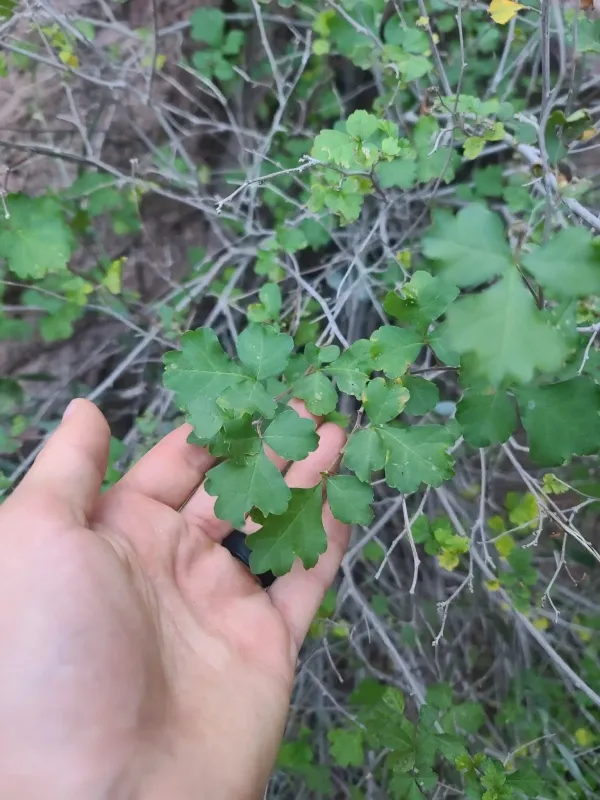
The shrub is biologically characterized by its three-lobed leaves and its ability to spread through a vigorous root system. This trait makes it highly valuable for stabilizing slopes and preventing soil erosion, where its rhizomatous growth helps hold the ground together.
Economically, the species serves as an important source of nectar for pollinators and its fruit was historically used by indigenous cultures for food and dye production. It continues to be cultivated for its ecological utility and aesthetic value in landscape design.
Main diseases and pests
The primary pathological threats to Skunkbush sumac include Verticillium wilt, a soil-borne fungus that disrupts the plant's vascular system. Symptoms often include sudden wilting of branches, typically exacerbated by improper moisture management.
Leaf-feeding insects, such as certain species of aphids and beetles, can cause localized damage during the spring growing season. While infestations are rarely fatal, they can significantly reduce the shrub's ornamental value and hinder annual growth rates.
Fungal leaf spots may occur in environments with high humidity or poor air circulation within the shrub's canopy. Implementing proper spacing during the planting phase is essential to ensuring sufficient airflow and minimizing the incidence of these diseases.
Root rot remains the most common physiological disorder caused by over-irrigation or planting in heavy, clay-rich soils. Ensuring a well-drained site is the most effective preventative measure against root-related pathologies in this species.
Regular monitoring and selective pruning of diseased or damaged wood help maintain the shrub's overall health. When intervention is necessary, targeted application of appropriate fungicides or insecticides is recommended to preserve the integrity of the planting.