
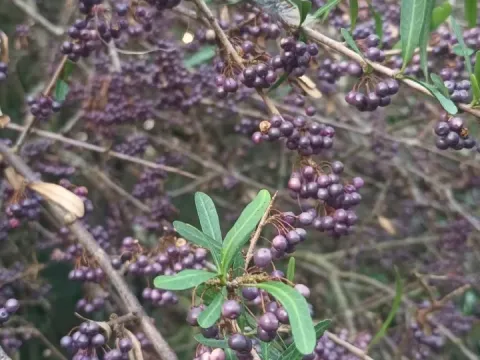
Schinus longifolia
Schinus longifolia
Propagating Schinus longifolia is typically achieved through seeds or semi-hardwood cuttings. Seeds should be sown in a well-draining, light potting mix, ensuring consistent moisture levels without waterlogging.
What the section contains
Schinus longifolia
Germination usually requires a warm environment with temperatures maintained between 20 and 25 degrees Celsius. Providing a transparent cover can help maintain the necessary humidity until germination begins.
Cuttings should be taken during the active growth phase, preferably in late spring. Using a rooting hormone can significantly increase the success rate of establishing new, healthy root systems.
Once seedlings have developed several true leaves, they should be transplanted into individual containers. Gradual acclimatization to brighter light conditions is essential before moving them outdoors.
Strategic planting spacing ensures proper airflow between plants, reducing the risk of fungal development and promoting uniform canopy growth in mature specimens.
Schinus longifolia belongs to the Anacardiaceae family and is known for its resilience once established. It thrives best in full sun exposure, which is critical for its overall health and vitality.
The ideal soil for this crop is sandy loam or well-drained fertile soil with a neutral pH. Poorly drained soil can lead to root health issues and inhibit the plant's natural growth rate.
Water requirements vary by season, with moderate watering needed during active summer growth and significantly reduced water intake during the winter dormancy period.
While the plant is somewhat drought-tolerant, consistent moisture during the fruit-bearing phase improves both the quality and quantity of the harvest. Irrigation must be managed carefully to avoid saturation.
Temperature tolerance is a significant factor in its range; the plant performs best in subtropical climates. In cooler regions, protection from frost is mandatory to prevent terminal damage.
Common pests include spider mites and scale insects, which frequently target stressed plants. Implementing a regular monitoring program helps detect infestations before they become critical.
Root rot is the most common pathology, typically triggered by improper irrigation practices or poor soil structure. Maintaining soil aeration is the primary method of preventing this condition.
Fungal leaf spot diseases can occur during periods of high humidity. Effective management involves removing and destroying infected plant tissue and ensuring adequate ventilation.
Occasional outbreaks of powdery mildew can be addressed by applying approved fungicides or improving airflow through strategic pruning. Prevention remains the most efficient control strategy.
- Use of organic oils for pest control.
- Regular sanitization of pruning shears to prevent pathogen transmission.
- Balanced nutrient application to enhance plant vigor and disease resistance.
Harvesting Schinus longifolia primarily focuses on collecting the mature berries. The timing of the harvest is crucial, as the berries should be collected only after reaching peak ripeness.
Hand-harvesting is the preferred method to prevent damage to the delicate fruits. Once collected, the fruits are sorted and cleaned to remove stems and extraneous matter.
Post-harvest processing involves air-drying the fruits in a shaded, well-ventilated space. This preserves the integrity of the essential oils, which are valuable for culinary and aromatic uses.
Proper storage is essential; the dried product should be kept in airtight containers away from direct sunlight to maintain its quality and potency over an extended period.
The annual yield depends on tree maturity and environmental factors. Proper soil management and consistent pruning help maintain high-quality production levels over the plant's lifespan.