
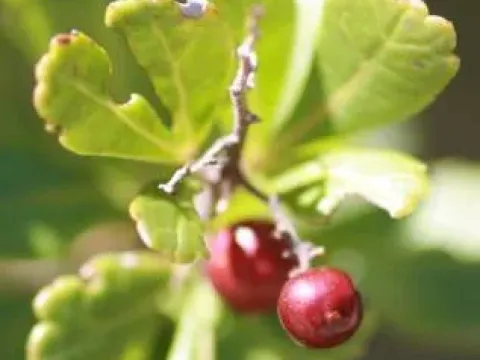
Searsia
Searsia F. A. Barkley
Searsia is a genus of shrubs and small trees belonging to the Anacardiaceae family. The plants within this genus are often confused with the genus Rhus, as their taxonomy was revised in recent decades to better reflect their unique genetic and structural characteristics.
What the section contains
Searsia
Originating primarily from the African continent, these plants are well-adapted to arid and semi-arid environments. They are widely recognized for their drought resistance, making them a sustainable choice for landscaping in regions with limited water availability.
Successful cultivation requires well-draining soil, as these plants are highly susceptible to root rot caused by waterlogging. Sandy or rocky soils are ideal, as they mimic the natural habitat where Searsia thrives without excessive moisture retention.
Sunlight exposure is critical for the healthy development of Searsia. They require full sun to partial shade; insufficient light leads to leggy growth and reduced vigor, often resulting in a diminished aesthetic value for ornamental purposes.
Apart from their ornamental use, Searsia species play an ecological role by providing habitat and food sources for local pollinators and birds. Their hardy nature allows them to thrive in poor soils where other less resilient species would fail to survive.
The primary threat to Searsia health is soil saturation, which leads to fungal infections. Proper drainage management is the most important cultural practice to ensure long-term vitality of the plants in any agricultural or landscaping setting.
Pests like aphids and scale insects can infest branches and foliage. While the plants are relatively tough, heavy infestations can cause leaf drop and stunted growth, requiring timely intervention with insecticidal soaps or horticultural oils.
Root-knot nematodes can pose a hidden threat in certain soil types. To mitigate this risk, it is recommended to use healthy planting stock and ensure that the surrounding soil is kept in good physical condition through balanced fertilization.
Mechanical damage from improper pruning can leave the plants vulnerable to pathogens. Always use sharp, sterilized tools and make clean cuts to ensure rapid healing, particularly during the transition between the dormant and active growth seasons.
Invasive weed competition during the seedling stage is another factor that can stunt growth. Keeping the base of the plant free from debris and weeds ensures that the root system can access the necessary oxygen and nutrients without stress.