
Schinopsis lorentzii
Schinopsis lorentzii
Description
Growing requirements
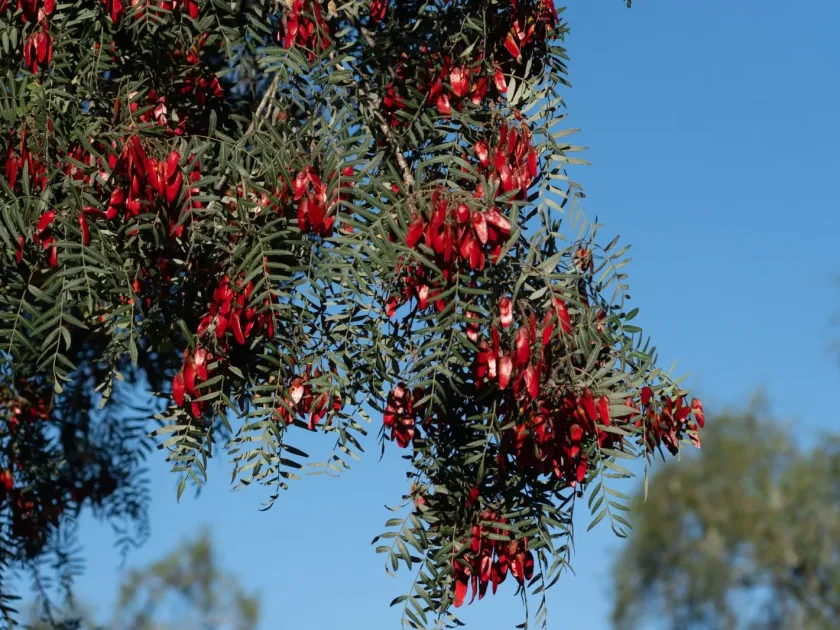
Schinopsis lorentzii, widely known as Quebracho colorado, is a prominent member of the Anacardiaceae family. This tree species is indigenous to the Gran Chaco region in South America and is highly valued for its ecological and economic roles.
The species thrives in subtropical climates characterized by distinct wet and dry seasons. It is remarkably drought-tolerant, utilizing a deep root system to access groundwater in arid conditions, making it suitable for reforestation in challenging environments.
The tree prefers well-drained soils, ranging from sandy loams to heavier clay-based soils, provided they do not retain excessive water. Poor drainage is the primary limiting factor for its healthy growth and development.
High temperatures are essential for the maturation of the wood, which is why it flourishes in hot regions. While young saplings require some shelter from extreme weather, mature trees are exceptionally hardy and resistant to environmental stress.
Agrotechnical management involves careful site selection and preventing competition from invasive grasses. Providing adequate spacing is crucial to ensure that each tree receives sufficient sunlight to promote steady growth.
Yield
The economic output of Schinopsis lorentzii is primarily driven by its timber, which is renowned for its extreme density and high resistance to fungal decay and weathering. It is traditionally used for railroad ties, fence posts, and heavy-duty construction.
Beyond timber, the species is a major industrial source of natural tannins. These compounds are extracted from the heartwood and are widely used in the tanning industry for leather processing, as well as in chemical applications.
Harvesting is typically done on a long-term rotational basis due to the slow growth rate of the tree. The industry focuses on sustainable logging practices to maintain the productivity of forested areas over several decades.
The yield of tannins and high-quality heartwood depends on the tree's age, with mature specimens offering the highest concentration of phytochemicals. Effective land management maximizes the accumulation of these valuable materials.
Recent technological advancements have improved the extraction processes for tannins, allowing for more efficient use of the woody biomass. This ensures that the tree remains a sustainable economic asset for local communities.
Main diseases and pests
Habitat loss and deforestation are the most significant threats to Schinopsis lorentzii populations. The slow regeneration rate of the species makes natural recovery after logging a lengthy process, often requiring active intervention.
Root rot, caused by fungal pathogens in waterlogged soils, is a major health threat to the tree. Ensuring proper soil aeration is vital for preventing the development of these soil-borne diseases.
Insect pests, specifically wood-boring beetles, can compromise the integrity of young trees. These pests penetrate the bark, weakening the structural stability of the plant and facilitating secondary bacterial infections.
Overgrazing by livestock in reforestation areas is a critical issue that hinders the survival of seedlings. Protecting young plantations from browsing animals is essential for the long-term viability of any new forest stand.
Management strategies involve rigorous monitoring of tree health and sanitation pruning to prevent the spread of localized infections. Maintaining biological diversity in the plantation area also helps mitigate the risk of widespread pest outbreaks.