
Rhus marlothii
Rhus marlothii
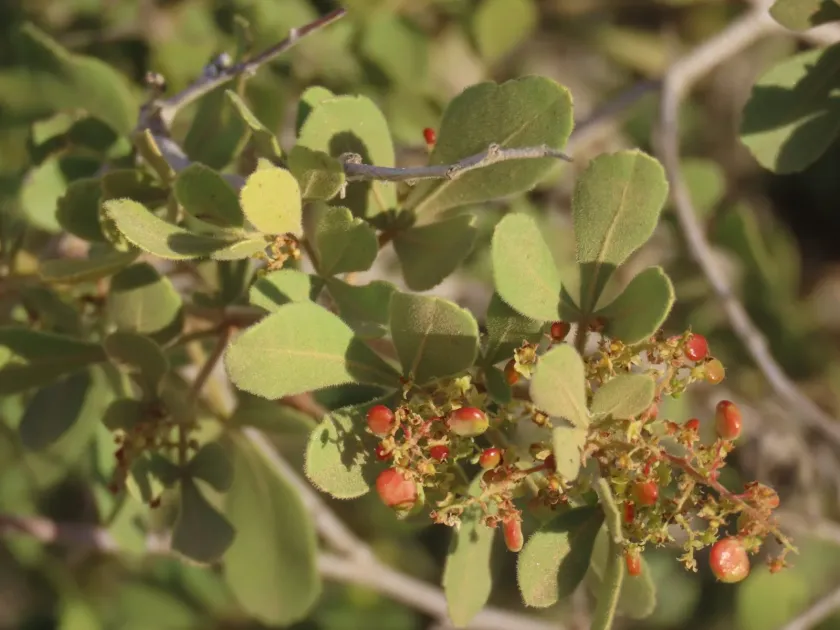
Description
Growing requirements
Rhus marlothii is a distinctive woody species belonging to the Anacardiaceae family, native to the arid and semi-arid regions of Southern Africa. As a member of the diverse sumac genus, it has evolved specific physiological adaptations to thrive in environments with irregular precipitation patterns.
Botanically, the plant is recognized for its robust structure and specialized foliage that helps minimize transpiration. This species maintains a slow growth rate, allocating significant resources to root development, which ensures its survival during prolonged dry seasons in its natural habitat.
When cultivated, the primary requirement for Rhus marlothii is exceptional soil drainage. The plant is highly sensitive to root asphyxiation caused by waterlogging, therefore it performs best in sandy, rocky, or well-aerated substrates that mimic its native xerophytic conditions.
Climate conditions play a crucial role in its successful establishment. While the plant is drought-resistant once mature, it demands full sun exposure to maintain its characteristic compact habit. Protection from severe, prolonged frost is necessary in the early years of development to prevent tissue damage.
In terms of agricultural and landscape use, Rhus marlothii serves primarily as an ornamental specimen for dry-gardens and ecological restoration projects. Its ability to stabilize soil and resist wind erosion makes it a valuable asset for maintaining the integrity of degraded landscapes in warm climates.