
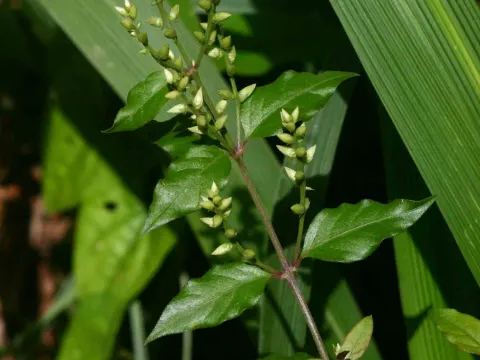
Psilotrichum
Psilotrichum
Psilotrichum is a genus of flowering plants belonging to the family Amaranthaceae. These plants are typically characterized by their adaptability to warm environments, often thriving in tropical and subtropical climates.
What the section contains
Psilotrichum
The native distribution of these species spans across parts of Africa and Asia. They are frequently found in open habitats, including grasslands and woodland areas, which provide the high light intensity necessary for their development.
For cultivation purposes, Psilotrichum requires well-drained, porous soils. Soil aeration is critical to prevent root suffocation, especially in regions with high seasonal rainfall patterns during the early growth stages.
Temperature management is essential for the vigor of the crop, with an optimal range typically between 25°C and 30°C. Cold sensitivity is a primary factor that dictates the geographical limits for outdoor production.
Agronomic practices should focus on maintaining adequate spacing between rows to ensure efficient light penetration and airflow, which minimizes the risk of microclimate-related diseases within the crop canopy.
Psilotrichum is susceptible to common pests such as aphids and spider mites, which thrive in dry conditions. Regular field scouting is necessary to detect early infestations before they cause economic damage to the foliage.
Fungal pathogens like powdery mildew can become problematic during periods of high relative humidity. Proper field sanitation and the removal of infected plant debris are recommended practices to mitigate these risks.
Root-knot nematodes can present a significant threat in sandy soil compositions. Crop rotation with non-host species is an effective biological strategy to manage nematode populations in the field.
Weed management is vital during the establishment phase. Using appropriate mulching techniques can help reduce weed competition while simultaneously preserving soil moisture for the crop.
Chemical control should be applied judiciously, favoring targeted applications to maintain the biological balance and ensure the safety of beneficial insects within the ecosystem.