
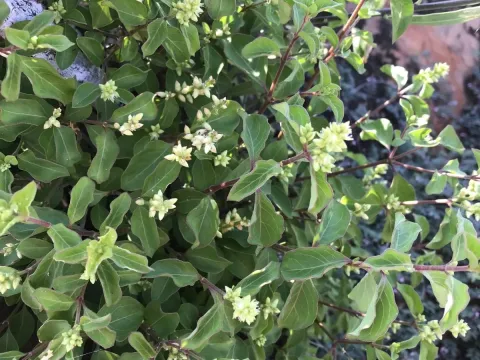
Psilotrichum scleranthum
Psilotrichum scleranthum
Psilotrichum scleranthum is a herbaceous plant belonging to the Amaranthaceae family. While often studied in its native context within East Africa, it remains a specialized taxon with specific requirements for its development and propagation.
What the section contains
Psilotrichum scleranthum
The plant originates from the tropical and subtropical regions of Africa, where it thrives in open, sunny habitats. It is characterized by its high resilience to environmental stressors, particularly high temperatures and fluctuating moisture levels during the growing season.
Optimal growth for this species is achieved in well-drained, porous soils that prevent waterlogging. Due to its physiological adaptation, the plant functions effectively in regions with moderate precipitation, showing a strong survival mechanism against dry spells.
Botanically, Psilotrichum scleranthum exhibits a compact growth habit, typical of the Amaranthaceae family, with specialized leaf structures designed to reduce water loss. Its inflorescences are distinct, contributing to the overall morphological profile that supports its survival in its native range.
In terms of agricultural application, it is primarily viewed as a niche species with potential for landscape restoration or secondary metabolite research. Ongoing observations suggest that its hardiness makes it a subject of interest for sustainable agricultural initiatives in arid climates.