
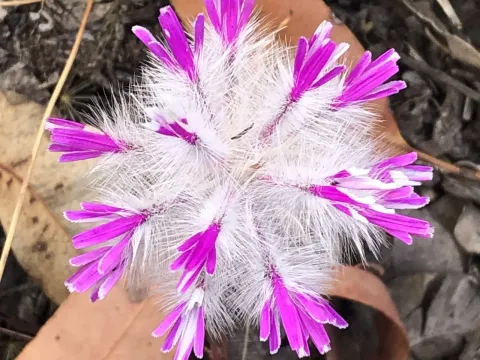
Ptilotus
Ptilotus
Ptilotus (genus Ptilotus), a member of the Amaranthaceae family, is typically grown as an annual or tender perennial in many regions. Seeds should be started indoors in late winter or early spring to ensure the plants have enough time to establish before the warmer months arrive.
What the section contains


Ptilotus
The seeds have a hard seed coat, which may require pre-treatment or soaking to improve germination rates. Sowing should be done in a light, well-draining seed-starting mix, covering them lightly and maintaining high humidity with a plastic cover.
Optimal germination temperatures for Ptilotus range from 22 to 25 degrees Celsius. Providing bottom heat can significantly improve the speed and uniformity of germination, helping the seedlings to emerge within two to three weeks.
Once true leaves appear, seedlings must be transplanted into individual pots to minimize root disturbance. Ptilotus is known for its sensitive root system, so using peat-based pots that can be planted directly into the ground is highly recommended.
Transplanting into the permanent location should only occur once all danger of frost has passed. Ensure the site receives full sun and has excellent drainage, as the plants are adapted to arid environmental conditions.
Originating from the arid regions of Australia, Ptilotus requires a sunny, warm location to thrive. The plant is exceptionally heat-tolerant and performs best when exposed to direct sunlight for the majority of the day.
Soil requirements are relatively specific: the plant demands very well-draining, sandy or gravelly soil with a neutral to slightly acidic pH. Heavy clay soils must be amended to prevent waterlogging, which the plant cannot tolerate.
Irrigation should be minimal. Ptilotus is drought-tolerant and requires watering only when the top layer of soil has completely dried out. Overwatering is the most common cause of failure in cultivation and often leads to root rot.
Nutrient requirements are modest; excessive nitrogen fertilization should be avoided as it encourages vegetative growth at the expense of the iconic feathery flower spikes. A balanced, low-dose fertilizer applied periodically is sufficient.
Good air circulation is essential for the health of the plant. In regions with high humidity or frequent rainfall, Ptilotus should be grown in containers that can be moved to sheltered areas to prevent fungal issues.
The most significant threat to Ptilotus is root rot, caused by Phytophthora or Pythium species. This disease is almost always linked to overwatering or poor soil drainage, leading to the rapid decline of the plant.
Pests such as aphids and spider mites can occasionally affect Ptilotus, particularly when grown under glass or in environments with poor ventilation. These insects sap the plant's vitality and can lead to stunted growth.
Integrated pest management, including the use of neem oil or targeted insecticidal soaps, is effective for controlling minor infestations. Regular scouting is recommended to catch pest populations before they become unmanageable.
Powdery mildew is a common fungal threat in humid environments or where foliage remains wet for extended periods. Keeping the leaves dry and ensuring adequate spacing between plants are the best preventative measures.
In cases of severe infestation or infection, prompt removal of affected plant material is necessary to protect the rest of the crop. Maintaining strict sanitation practices in the nursery or garden helps minimize the risk of recurring disease.