
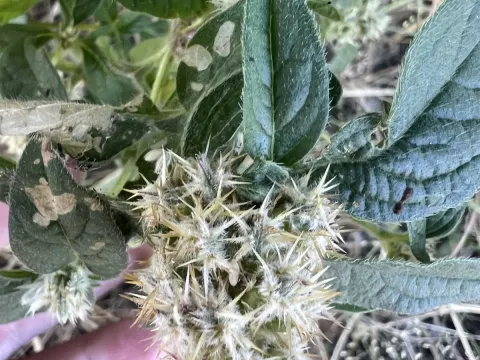
Cyathula orthacantha
Cyathula orthacantha
Cyathula orthacantha is a heat-loving plant, therefore planting is conducted exclusively in warmed soil. The optimal period for the start of vegetation occurs when stable high temperatures are established without the risk of late frosts.
What the section contains
Cyathula orthacantha
The seeds of the crop have high germination energy if there is sufficient moisture in the planting layer. It is recommended to perform surface or shallow sowing to provide light access, which is necessary for embryo activation.
In industrial cultivation conditions, both direct seeding and seedling propagation are practiced. The seedling method allows for a significant reduction in the vegetation period in regions with a short warm season.
During sowing, it is important to maintain spatial isolation, as the plant actively spreads through self-seeding. Sowing density is adjusted depending on the crop's purpose and the availability of irrigation.
Regular watering in the first weeks after sowing is critically important for the formation of a robust root system. This allows the plant to adapt faster to changing weather conditions during the initial stages of development.
The plant belongs to the Amaranth family and requires sunny sites protected from strong winds for full development. The crop prefers well-drained, fertile loamy soils with a neutral or slightly acidic pH level.
Cyathula orthacantha demonstrates high resistance to short-term drought periods; however, it requires moderate and regular moisture to obtain commercial mass. Excessive waterlogging of the soil can lead to root rot.
An important success factor is the application of organic fertilizers before plowing. The crop responds well to nitrogen top-dressing during the stage of active vegetative mass growth, which contributes to increased biomass yield.
The temperature optimum for the growth of Cyathula orthacantha lies in the range of 22 to 30 degrees Celsius. At temperatures below 15 degrees, the plant's development slows down or stops significantly.
Agrotechnical measures must include systematic loosening of row spacings to improve soil aeration and weed control. Mulching the plantings helps to retain moisture and suppress weed growth.
The economic value of the crop lies in the biochemical composition of the aerial and underground parts of the plant. Yield depends on the intensity of agrotechnologies and the climatic zone of cultivation.
Maximum productivity is achieved under optimal light regimes and adherence to crop rotation. The plant is capable of growing a significant amount of biomass when provided with sufficient mineral nutrition.
Harvesting of medicinal raw materials is carried out in the mass flowering phase, when the concentration of biologically active substances in the tissues is at its maximum. Timely drying of the raw material is important for quality preservation.
The yield of roots, which are often used in pharmacopoeia, depends on the age of the plant and soil structure. Light soils contribute to better root system development and facilitate the harvesting process.
Proper post-harvest processing, including cleaning and careful storage in a dry place, significantly increases the shelf life of the obtained plant raw material.
The main threats to the crop are fungal diseases that develop against a background of high humidity. Prevention includes adhering to crop rotation and avoiding overly dense plantings.
Among pests, aphids and spider mites are most often observed on Cyathula, as they damage young leaves. Regular inspection of plantings allows for the timely detection of infestation centers.
Upon the appearance of signs of powdery mildew, authorized fungicides should be used, strictly adhering to dosages and waiting periods before harvesting. In organic farming, biological preparations are acceptable.
Root rots can occur during water stagnation on heavy soils. To combat this problem, it is necessary to improve the drainage properties of the area and normalize the irrigation regime.
Competition from weeds at the beginning of vegetation can significantly reduce potential yield. Timely weeding is a key factor in protecting against crop suppression.
Harvesting of the aerial part is carried out mechanically in dry weather. It is important to exclude moisture from the cut mass to avoid rotting processes and the loss of pharmacological properties.
Specialized equipment is used to harvest roots, ensuring high-quality extraction of rhizomes from the soil without significant damage. This increases the marketability and quality of the finished raw material.
Harvesting times are determined by the state of the plant: the aerial mass is harvested during the flowering phase, and the roots during the dormancy phase, after the aerial parts have withered.
Post-harvest finishing includes cleaning from soil, sorting, and subsequent drying in well-ventilated rooms or dryers at a controlled temperature.
A properly organized process of harvesting and storage allows minimizing losses and ensuring high quality standards for the pharmaceutical industry.