
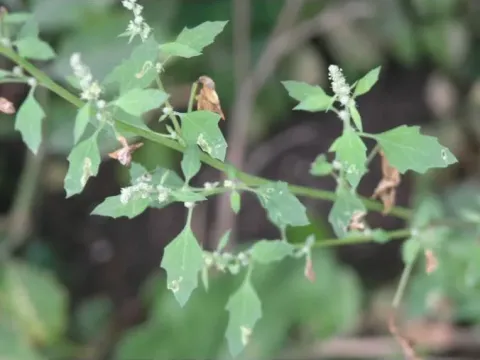
Borbas' Goosefoot
Chenopodium borbasioides
Borbas' Goosefoot (Chenopodium borbasioides) belongs to the Amaranthaceae family and is recognized for its robust growth patterns in various environmental conditions.
What the section contains
Borbas' Goosefoot
Seeds are typically sown in early spring when soil temperatures reach the threshold required for consistent germination, usually above 8 degrees Celsius.
The recommended planting density involves rows spaced about 40 to 50 centimeters apart to ensure each plant receives adequate nutrition and space for root development.
Due to the small size of the seeds, they should be planted at a shallow depth of approximately 1-2 centimeters, ensuring sufficient seed-to-soil contact.
Modern agronomic practices emphasize the importance of field preparation to create a fine tilth, which significantly improves the establishment of seedlings.
This crop thrives in well-drained, fertile soils ranging from sandy loams to light clay, provided there is adequate drainage to prevent waterlogging.
It displays remarkable drought tolerance, making it a suitable candidate for semi-arid environments where water resources are frequently limited.
The plant is highly photophilous and requires full sun exposure throughout the day to achieve maximum yield potential and ensure proper seed maturation.
Maintenance of soil fertility through balanced fertilization programs helps in boosting the biomass production and overall plant vigor during the vegetative phase.
Regular cultivation and weeding between rows are necessary to prevent nutrient competition with aggressive weeds, especially in the early stages of growth.
The yield potential of Borbas' Goosefoot is primarily determined by moisture availability during the critical reproductive phases of the plant development.
Under optimal conditions, the plant produces a significant amount of biomass that can be harvested for various agricultural or industrial applications.
The seed yield is influenced by the genetic potential of the specific ecotype used and the effectiveness of pest and disease management throughout the season.
Advanced irrigation management, even in drought-resistant crops, often leads to a more consistent and higher quality yield per hectare.
Data from test plots indicate that consistent plant density is the single most important factor in maximizing the harvestable grain weight per square meter.
Pathogenic fungi, particularly those causing powdery mildew, are the primary biological threats that can reduce leaf surface area and photosynthesis.
Insect pests, including aphids and specialized leaf miners, pose a risk during the seedling and vegetative stages by weakening the plant structure.
Effective crop protection strategies involve a combination of biological controls and integrated pest management practices to minimize chemical usage.
Field sanitation is essential, as remaining crop residues can harbor spores and eggs that threaten the following year's production cycle.
Early detection through regular field scouting allows for targeted interventions, preventing minor infestations from becoming widespread economic losses.
Harvesting is initiated once the plants show signs of senescence, with the seeds achieving their final dry weight and moisture content decrease.
Mechanical harvesting equipment must be calibrated precisely to handle the small seeds and avoid significant harvest losses during the threshing process.
Immediately after collection, the raw material should be processed to remove field debris, which is vital to ensure long-term stability in storage.
Post-harvest drying is essential to reach a safe moisture level, usually below 14 percent, which effectively inhibits mold growth and ensures seed quality.
Proper storage facilities should be temperature-controlled and well-ventilated to maintain the germination viability and nutritional value of the seed stock.