
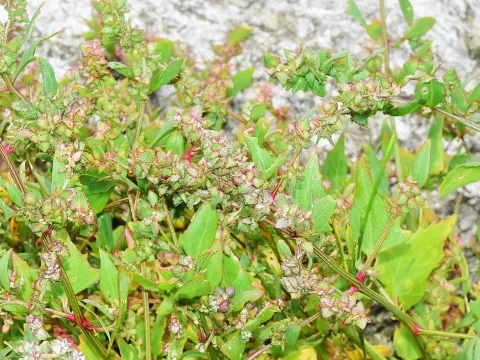
Glabrous orache
Atriplex glabriuscula
Glabrous orache (Atriplex glabriuscula) is an annual herbaceous plant belonging to the Amaranthaceae family. In an agricultural context, it is recognized for its versatility and potential as a forage resource in challenging environmental conditions.
What the section contains
Glabrous orache
The natural range of this species is associated with coastal regions and saline habitats in Northern Europe and North America. This evolutionary background has endowed the plant with significant salt tolerance, making it suitable for areas where other crops might fail.
Botanically, it is defined by its prostrate to ascending stems and triangular leaves. These features allow the plant to thrive in exposed areas where wind resistance and moisture conservation are essential for survival and vegetative growth.
Regarding climate and soil, the plant prefers moist, nutrient-rich environments. It is highly cold-tolerant, particularly during the germination phase, which allows farmers to establish crops early in the growing season to maximize yield potential.
Agricultural use is primarily focused on utilizing the biomass as fodder for livestock due to its mineral-dense composition. Furthermore, the plant's ability to thrive in poor soils makes it an excellent candidate for land reclamation and phytoremediation of degraded agricultural sites.
The primary threats to Glabrous orache involve fungal infections, such as powdery mildew, which thrive in stagnant air or excessively humid conditions. These diseases can negatively impact leaf biomass quality and overall plant health.
Common insect pests include various species of weevils and aphids that may target the succulent foliage. Infestations typically occur when the crop is stressed, underscoring the importance of maintaining optimal vigor through balanced nutrition.
To mitigate disease pressure, it is recommended to maintain proper spacing between rows to ensure adequate airflow. Avoiding waterlogged soil conditions is also critical, as excessive moisture can contribute to the development of root-borne pathogens.
Integrated pest management strategies are advised, including the use of beneficial insects and biological control agents. These methods are preferred over broad-spectrum chemicals to preserve the safety of the forage material produced on the field.
By monitoring crop development closely, especially during the early growth stages, farmers can identify potential outbreaks early. Maintaining soil structure and proper fertilization levels will ensure the crop remains competitive and resilient against various biological threats.