
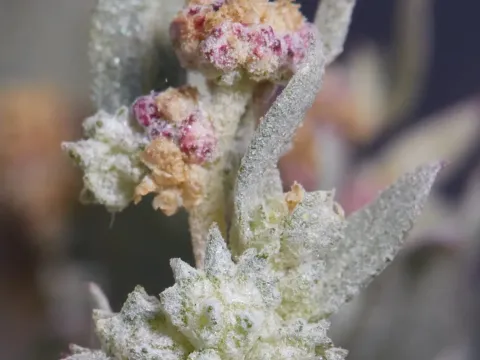
Saltbush (Atriplex fruticulosa)
Atriplex fruticulosa
Atriplex fruticulosa, commonly known as a type of saltbush, is a perennial subshrub belonging to the Amaranthaceae family. It is a highly specialized plant species adapted to surviving in some of the most challenging arid environments on Earth.
What the section contains
Saltbush (Atriplex fruticulosa)
Originally native to parts of North America, particularly in desert regions, this plant has evolved to thrive in saline and alkaline soils. It plays a significant role in ecological restoration and sustainable land management in regions suffering from desertification.
The morphology of this plant is characterized by its silvery, scurfy foliage, which is an adaptation to minimize water loss. The plant possesses a deep and efficient root system capable of accessing moisture far below the surface in dry soil conditions.
In terms of climate requirements, Atriplex fruticulosa demands high light intensity and prolonged periods of dry weather. It does not tolerate high humidity and performs best in environments where atmospheric moisture remains relatively low.
From an agricultural perspective, the cultivation of this species is geared towards fodder production in saline environments where conventional crops fail. It is resilient to grazing pressure and can maintain forage availability during peak drought seasons.
While remarkably resilient, the crop is subject to several threats, including localized outbreaks of aphids that colonize the tender tips and succulent leaves during favorable weather conditions.
Fungal pathogens such as powdery mildew can compromise plant health if the environmental conditions become too humid or if plant density is too high, inhibiting necessary air circulation around the canopy.
Weevil populations present a significant threat to young plantings. These pests feed on the foliage and can lead to stunted growth or total loss of seedling stands if not addressed early in the season.
Parasitic flora, such as certain species of dodder, can latch onto the host plants, depriving them of essential nutrients and potentially weakening the entire stand, reducing the overall biomass yield.
Effective management requires a combination of cultural practices, such as maintaining appropriate spacing between rows, and timely monitoring to prevent the build-up of insect populations that could transmit secondary diseases.