


Reference · Crops
Saltbush
Atriplex
Saltbush is typically sown in early spring, once soil temperatures stabilize above 5°C, ensuring a strong start for the seedlings.
3
items
What the section contains
Marketplace
Products in this section · 12





Glyphogold
F.A.GAN Chemical Manufacturers Ltd. Israel, member
Herbicides
0
0
1 offer
8.8 €per pack
Buy


Saltbush
Seeds should be planted at a shallow depth of 1-2 cm, as they require proximity to the surface to trigger germination under optimal moisture conditions.
Proper spacing is essential to ensure air circulation and reduce the incidence of soil-borne diseases in the early stages of growth.
Depending on the intended use, producers may opt for row sowing to facilitate mechanical weeding or broadcast sowing for soil stabilization.
Rolling the soil after seeding improves seed-to-soil contact, which is particularly beneficial in dry conditions to retain subsoil moisture.
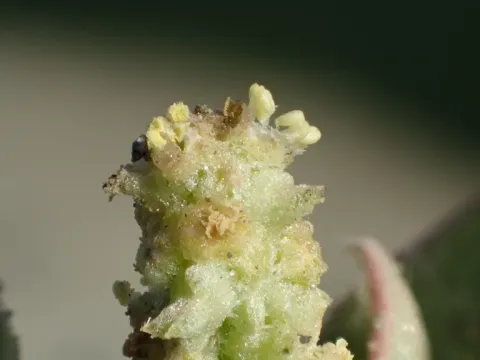
Saltbush belongs to the Amaranthaceae family and is recognized worldwide for its exceptional adaptation to saline and arid environments.
The plant possesses a C4 photosynthetic pathway, allowing it to thrive in high-heat environments with maximum water-use efficiency.
It can flourish in alkaline and saline soils where conventional crop varieties would typically fail due to osmotic stress.
Saltbush requires full sun exposure and generally performs best in well-drained soils, though it shows tolerance to varying soil textures.
Its deep taproot system allows the plant to access moisture from significant depths, making it highly drought-tolerant once established.
When grown for forage, saltbush can yield significant amounts of biomass, which remains nutritional even during late summer heatwaves.
Seed production is highly variable and depends on the specific species and management practices applied throughout the growing season.
Application of minimal mineral fertilizers can significantly enhance biomass production without sacrificing the plant's inherent hardiness.
The high protein content of the foliage makes it an excellent supplement for livestock grazing in regions with limited pasture resources.
Sustainable harvesting of green matter allows for multiple cuts per season, maximizing the total productivity per hectare.
While saltbush is remarkably robust, it can be susceptible to aphids and leaf-mining insects that target succulent new growth.
Fungal issues such as powdery mildew may arise if the plant is grown in areas with poor ventilation and high humidity levels.
Root-knot nematodes can occasionally affect growth in infested soils, which necessitates the use of crop rotation strategies.
Integrated pest management, including monitoring and biological control, is preferred over broad-spectrum chemical interventions.
Maintaining balanced soil nutrition helps the plant maintain its natural defense mechanisms against common environmental pathogens.
Harvesting for fodder is best performed during the vegetative stage, before the plant shifts its energy entirely towards seed production.
When collecting seeds, mechanical harvesting should be timed carefully to minimize shattering, as seeds detach easily when ripe.
Post-harvest processing involves drying the material to reach a moisture content below 14% to prevent spoilage and ensure storage stability.
Cleaned seeds should be stored in cool, dry conditions to preserve viability for subsequent planting seasons.
Proper drying of biomass intended for silage is critical to maintain the nutritional integrity and palatability of the final product.