
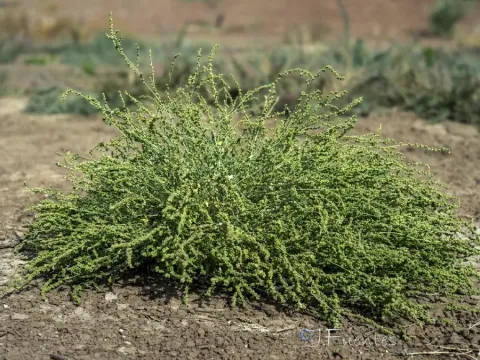
Salt-marsh orache
Atriplex chenopodioides
Salt-marsh orache (Atriplex chenopodioides) is an annual herbaceous plant belonging to the Amaranthaceae family. It is recognized for its unique ability to thrive in saline environments, classifying it as a halophytic species of potential agricultural interest.
What the section contains
Salt-marsh orache
The plant originates from the coastal and steppe regions of Eurasia. Its natural habitat includes salt flats and areas with disturbed soil, where it has developed significant resilience to extreme heat and prolonged periods of drought.
Botanically, it is a branched annual featuring leaves with a characteristic mealy coating. This adaptation helps the plant reduce transpiration in arid conditions. The root system is robust and deep-reaching, allowing for nutrient uptake in poor soil conditions.
Environmental requirements for the plant are minimal compared to traditional cereals. It prefers well-lit, open areas and is highly tolerant of high salinity levels. It performs best in neutral to alkaline soil types where other crops would fail to establish.
Agricultural use centers on utilizing the plant for biomass production in marginal areas. Its high mineral content and nutritional value make it a viable candidate for sustainable fodder systems in regions affected by soil degradation.
The primary threats to salt-marsh orache cultivation involve fungal infections, specifically powdery mildew, which can significantly damage the foliage during humid seasons.
Pests such as aphids and leaf-eating beetles pose a risk, as they tend to congregate on the succulent stems, leading to stunted growth and reduced biomass yield.
Proper soil management and avoiding stagnant water are essential practices to reduce the incidence of soil-borne pathogens that thrive in wet conditions.
Integrated pest management strategies are recommended to protect the crop without disrupting the local ecosystem, especially in sensitive saline wetland habitats.
Field scouting for early signs of pest infestation is critical to ensuring a successful harvest, as the plant's growth cycle can be quickly interrupted by severe defoliation.