
Salsola soda
Salsola soda
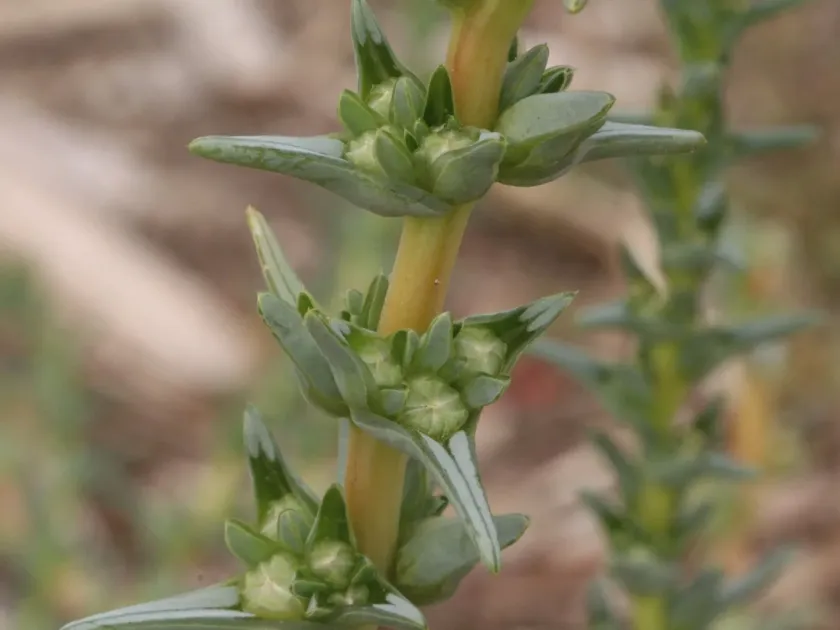
Description
Sowing dates
Salsola soda, commonly known as Agretti or monk's beard, is an annual succulent herb belonging to the Amaranthaceae family. Seeds are typically sown directly into the prepared garden soil in early to mid-spring once the risk of frost has passed.
The seeds should be sown at a depth of 1-2 centimeters in rows spaced about 30-40 centimeters apart to ensure each plant has sufficient room for development.
Since Salsola soda seeds often have a low germination rate and a short shelf life, it is crucial to use fresh, high-quality seeds from the most recent harvest.
Once seedlings emerge, they must be thinned to a spacing of 15-20 centimeters to prevent overcrowding and to promote the growth of bushy, lush foliage.
In regions with shorter growing seasons, starting the seeds in modular trays under cover and transplanting them after the last frost can provide a head start on the harvest season.
Growing requirements
As a halophyte, Salsola soda is remarkably tolerant of saline soils, making it an excellent crop for coastal areas or lands where soil salinity limits the growth of traditional vegetables.
The plant thrives in full sun exposure, which is necessary for maintaining the characteristic flavor and nutritional density of its succulent, grass-like leaves.
Well-draining soil is essential for this species; while it tolerates salt, it is highly sensitive to waterlogged conditions that can cause root decay and plant mortality.
Consistent moisture is required during the vegetative phase to ensure the plants produce tender, juicy stems, although the plant shows good resilience to temporary dry spells once established.
While the plant does not have strict nutritional requirements, incorporating well-rotted organic matter into the soil prior to sowing can significantly improve overall biomass production.
Yield
The yield of Salsola soda is characterized by its repeat-harvest potential, provided the harvesting technique is performed carefully throughout the growing season.
By harvesting individual stems or trimming the tops, farmers can encourage the plant to produce a continuous supply of lateral shoots, effectively extending the cropping window.
Optimal yields are achieved when the plants are maintained in a state of active vegetative growth, preventing the plant from prematurely initiating its flowering cycle.
Yield estimation depends on the density of the planting and the frequency of harvests, with well-managed plots offering several cuttings over the summer months.
The commercial value of this crop is driven by its high demand in high-end culinary markets, making it a profitable niche crop for small-scale specialty growers.
Main diseases and pests
Salsola soda is generally a robust crop with few serious disease issues, provided the cultivation environment is well-managed and drainage is prioritized.
The most common threat is fungal root rot, which typically occurs in damp, poorly ventilated, or heavily compacted soils that prevent proper root respiration.
Pest issues are usually minor but may include aphids or spider mites, particularly during periods of extreme heat when plants are slightly stressed.
Effective management strategies include ensuring adequate spacing for airflow between plants and implementing strict weed control measures to eliminate alternate hosts for pests.
Prevention is the primary tool for disease management in Salsola soda; crop rotation and maintaining soil health are sufficient to keep the crop thriving in most conditions.
Harvesting
Harvesting should begin when the plants reach a height of approximately 15-20 centimeters, selecting only the most tender and succulent shoots for the best culinary experience.
The common method involves cutting the stems about 2-3 centimeters above the base, allowing the plant to branch out and regenerate for subsequent harvests.
Care should be taken to stop harvesting once the plant begins to bolt, as the stems will become woody, fibrous, and bitter, losing their culinary appeal.
Post-harvest handling is critical for quality; the greens are highly perishable and should be cooled immediately after picking to prevent wilting and degradation.
Stored in cool conditions, the harvested material maintains its crispness for a short period, so immediate transport to market or refrigerator storage is highly recommended.