
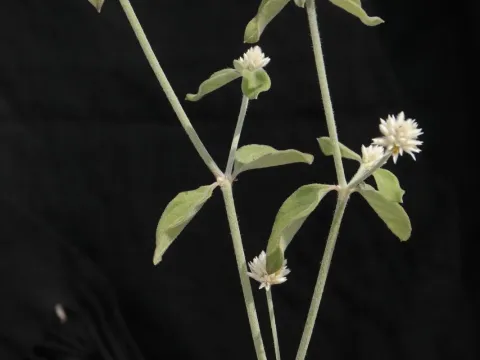
Alternanthera pubiflora
Alternanthera pubiflora
Alternanthera pubiflora is a perennial herbaceous plant belonging to the Amaranthaceae family. It is recognized for its rapid growth rate and adaptability to various tropical and subtropical environments.
What the section contains
Alternanthera pubiflora
Cultivation typically begins with sowing in a well-prepared, warm soil bed during the spring. The seeds require shallow planting in a nutrient-rich, light substrate to ensure optimal germination rates under controlled temperature conditions.
Vegetative propagation via cuttings is a common practice for large-scale production. Cuttings should be kept in a humid, shaded environment until root initiation is complete, after which they can be transplanted to their final growing site.
Planting density is crucial for ensuring proper airflow and structural development. For groundcover applications, a density of 20 to 30 plants per square meter is standard to ensure rapid soil coverage.
The plant exhibits significant vigor, producing dense branching stems and lanceolate foliage. Proper spacing management during the sowing phase helps maximize biomass production and minimizes the risk of overcrowding.
Optimal growth of Alternanthera pubiflora requires high thermal levels, ideally between 22 and 26 degrees Celsius. The plant is extremely sensitive to cold and does not survive frost, requiring sheltered conditions in temperate regions.
The crop thrives in well-drained loamy or sandy soils. Consistent moisture levels are essential, as the species does not possess strong drought-tolerance mechanisms and can wilt rapidly under prolonged water stress.
High light intensity is a critical requirement for maintaining plant vigor and foliage coloration. Shaded environments often lead to etiolated, weak stems and reduced overall plant density.
Balanced fertilization is necessary, with an emphasis on nitrogen-based nutrients to support the production of leafy biomass. However, excessive nitrogen can reduce plant compactness and lead to weak structural stems.
Regular monitoring of soil pH is recommended, as the plant prefers slightly acidic to neutral soil conditions. Proper soil aeration is essential to prevent waterlogging and subsequent root damage.
Fungal pathogens, particularly root rot and stem blights, pose the most significant threat to the crop. These are frequently exacerbated by poor field drainage and excessive humidity levels.
Pests such as spider mites and aphids are known to colonize the foliage during hot, dry periods. Integrated pest management strategies, including the use of soaps or biological agents, are recommended for control.
Weed management is paramount during the early stages of plant development, as the crop lacks competitive strength against vigorous annual weeds. Early intervention through weeding or mulching is essential.
Nutrient deficiencies, specifically iron chlorosis, can occur in alkaline soil types. Foliar applications of chelated micronutrients can effectively correct these imbalances and restore optimal photosynthetic activity.
The plant is susceptible to mechanical damage from strong winds and heavy rain. Protective barriers or windbreaks are recommended in areas prone to adverse weather events to ensure crop integrity.