
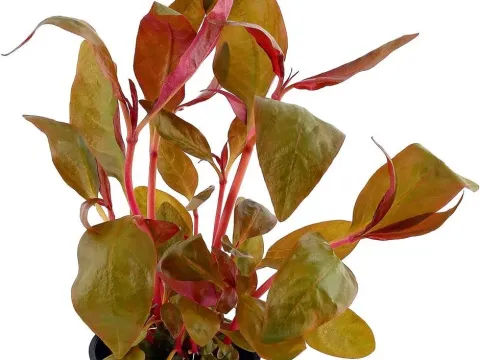
Alternanthera cardinalis
Alternanthera cardinalis
Alternanthera cardinalis belongs to the Amaranthaceae family and is recognized as a distinctive herbaceous plant. Known primarily for its vibrant red-purple foliage, it serves as a significant ornamental species in tropical horticulture and aquarium environments.
What the section contains
Alternanthera cardinalis
The plant originates from the tropical regions of South America. It typically inhabits wetland environments, riverbanks, and marshy areas where high humidity and consistent moisture are the standard conditions for development.
Botanically, it features upright stems that can reach a substantial height. The leaves are generally lanceolate or elliptical, and their striking coloration is a result of high concentrations of anthocyanins, which are influenced by environmental stressors and light intensity.
Growth requirements emphasize the need for intense lighting. Without sufficient light, the plant loses its signature red hues and begins to grow leggy. Temperature management is equally critical, with optimal growth occurring between 22 and 28 degrees Celsius.
Agricultural management requires soil rich in organic matter, or specialized substrate if grown in aquaria. Regular supplementation with iron and nitrogen is essential to maintain vigorous growth and the characteristic deep red leaf pigmentation.
Disease outbreaks usually manifest as fungal infections, particularly in environments with poor water circulation or inadequate drainage. Foliar chlorosis or necrosis often signals an imbalance in nutrient levels or unsuitable pH levels in the substrate.
Pest pressures include common greenhouse insects like spider mites and aphids, which target the foliage. Biological control or specialized horticultural soaps are effective methods to mitigate these threats without damaging the delicate plant tissues.