
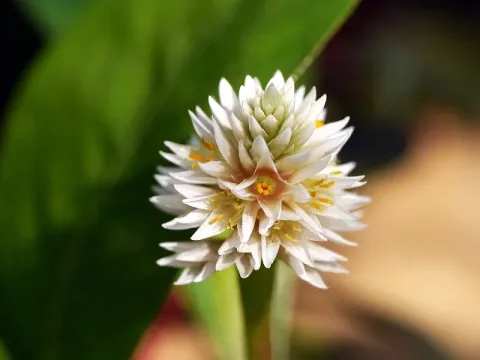
Alternanthera aquatica
Alternanthera aquatica
Propagation of Alternanthera aquatica is primarily achieved through stem cuttings, which demonstrate high survival rates in aquatic and hydroponic environments.
What the section contains
Alternanthera aquatica
When starting a new crop, cuttings should be taken from healthy, vigorously growing parent plants to ensure the quality of the subsequent generation.
The cuttings are placed into specialized growing media or anchored directly in a water column, where they begin to develop adventitious roots within a few days.
Consistency in moisture levels and stable water temperature are critical during the establishment phase, as the plant needs to adjust to its new surroundings.
Industrial planting usually employs a floating raft system or mesh baskets that allow for easy movement and maintenance of the plants during their growth cycle.
Alternanthera aquatica is a member of the Amaranthaceae family, known for its ability to thrive in semi-aquatic or fully submerged ecological conditions.
The plant requires high intensity light to maintain its characteristic pigmentation and to prevent the stems from becoming thin and elongated.
Optimal water quality parameters include a slightly acidic to neutral pH level, typically between 6.0 and 7.5, and regular replenishment of nutrient elements.
Thermal stability is a priority for the successful cultivation of this species, with the preferred temperature range sitting between 22 and 28 degrees Celsius.
A well-oxygenated water environment is necessary to prevent anaerobic conditions around the root zone, which can otherwise lead to root rot and nutrient uptake failure.
The biomass yield of Alternanthera aquatica can be high, especially when grown under intensive conditions with supplementary lighting and CO2 enrichment.
Frequent pruning serves as a dual-purpose activity: it acts as a harvesting method for the plant material and stimulates denser lateral growth.
Yields are measured by the total mass of harvested shoots over a specified period, which can be optimized through efficient nutrient management cycles.
In aquaponics, the plant is valued for its nutrient absorption capabilities, contributing to the overall productivity and sustainability of the entire system.
Consistent harvest cycles ensure that the plants remain in a vegetative growth stage, preventing them from shifting resources toward unwanted flowering.
Common issues include fungal infections that manifest as leaf spots or stem rot, often triggered by stagnant water and insufficient air circulation.
Pests such as spider mites and aphids are frequently encountered in greenhouse conditions, as they thrive on the succulent tissues of the plant.
Algal blooms represent a significant threat to young plants, as they compete for light and nutrients, often choking out the desired crop.
Nutrient imbalances, particularly deficiencies in iron or magnesium, lead to leaf chlorosis, weakening the plant's natural immune response.
Strict hygiene protocols, including sterilization of tools and regular monitoring, are essential to preventing the spread of diseases within the cultivation area.
Harvesting consists of carefully cutting the terminal shoots, ensuring that the base of the plant remains undisturbed to allow for future regrowth.
Once harvested, the plant material is delicate and must be handled with care to prevent bruising, which can lead to quick degradation of the quality.
Sorting and cleaning should take place immediately after harvest, removing any debris or damaged foliage to ensure the product meets quality standards.
Cool storage with high humidity is necessary for temporary storage to maintain freshness before distribution to the end user or processing unit.
Professional harvesting on a large scale may involve automated tools that minimize manual labor while maintaining the required precision of the cut.