
Amaranthus acanthochiton
Amaranthus acanthochiton
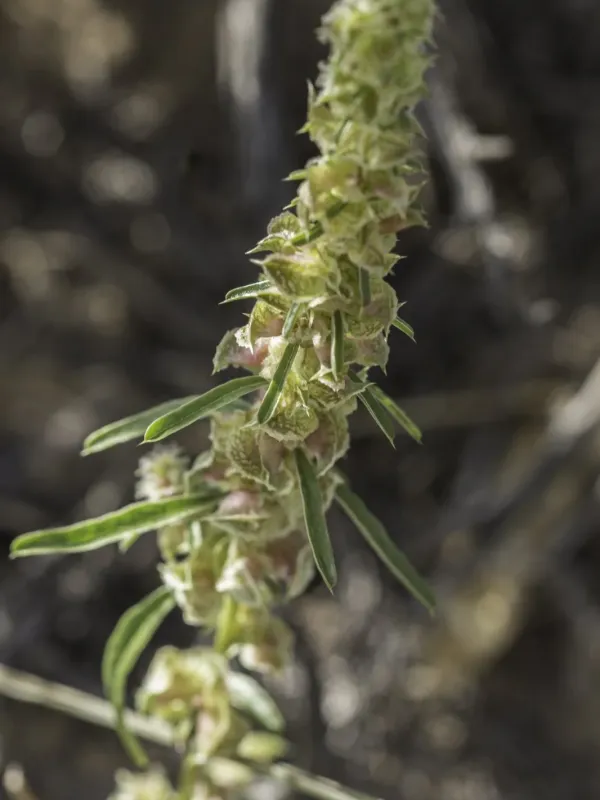
Description
Sowing dates
Amaranthus acanthochiton is a thermophilic crop belonging to the Amaranthaceae family. Sowing should be carried out only when the soil has warmed up significantly, as the seedlings are extremely sensitive to cold and spring frosts.
The ideal time for sowing is when soil temperatures at planting depth reach 15–18 degrees Celsius. In most temperate regions, this corresponds to late spring, typically from late May onwards.
Seeds are small and should be planted at a shallow depth of 1.5–2 centimeters. Planting too deep can significantly delay germination and lead to poor stand establishment, reducing overall productivity.
A row-crop planting method is recommended, with spacing between rows maintained at 60–70 centimeters. This provides sufficient room for plant development and allows for efficient mechanical weed control during the early growth stages.
The crop requires full sun exposure for optimal development. Choosing open, well-lit areas without shade from trees or buildings is crucial for achieving high biomass production.
Growing requirements
The plant thrives in fertile, well-drained soil, preferably sandy loam or loamy soils with a neutral to slightly alkaline pH. It performs poorly in heavy, compacted soils that do not allow for proper root aeration.
Amaranthus acanthochiton is highly drought-tolerant due to its C4 photosynthetic pathway, which enables efficient water use even under intense sunlight and high temperatures.
Proper moisture management is essential; while the crop is drought-resistant, it does not tolerate waterlogging. Field selection should avoid low-lying areas where water tends to accumulate after heavy rain.
The optimal temperature range for active vegetative growth is between 25 and 30 degrees Celsius. Sustained temperatures below 10 degrees Celsius can significantly halt plant metabolism and development.
Balanced nutrient availability is key for growth. While nitrogen promotes biomass development, excessive fertilization late in the season can delay maturity and affect seed quality at harvest.
Yield
Yield potential depends heavily on soil preparation and moisture availability during critical growth phases. When managed correctly, this species can produce significant amounts of high-protein biomass.
The crop serves various purposes, primarily for its nutrient-rich grain and as a high-quality forage source for livestock. Proper management of plant density is essential for maximizing yield.
Early-stage weed control is critical for maximizing yields, as the plant grows slowly during the first few weeks after emergence. Regular inter-row cultivation helps suppress competing vegetation.
With good agricultural practices, yields of 15 to 25 quintals per hectare can be achieved. Modern harvesting equipment and proper post-harvest processing are vital to minimize losses during the collection phase.
Selecting adapted cultivars can further enhance yield stability, ensuring that the crop performs well even under fluctuating environmental conditions throughout the growing season.
Main diseases and pests
Key pests include amaranth weevils, armyworms, and various aphid species that can damage leaves and reproductive structures, leading to stunted growth or reduced seed quality.
Fungal diseases, such as root rot and leaf spot, represent the most significant threats, especially in areas with poor air circulation or high humidity levels that favor pathogen development.
Crop rotation is the most effective preventative measure. Avoiding the planting of Amaranthus acanthochiton in fields recently occupied by other members of the Amaranthaceae family is highly recommended.
Integrated pest management, favoring biological controls where possible, is preferred to maintain the quality of the crop for human or animal consumption, reducing the reliance on synthetic chemicals.
Field scouting should be performed on a weekly basis, focusing on the lower leaf canopy and stalks to identify early signs of insect infestation or fungal pathogens before they reach economic damage thresholds.
Harvesting
Grain harvest begins when the seed heads change color and the seeds become hard and easily detach from the flower clusters, signaling physiological maturity.
Timely harvest is essential, as the seeds of this species are prone to shattering if left in the field too long, especially during windy conditions or if subjected to late-season rain.
If harvesting for forage, the optimal window is just before the onset of flowering, when the nutritional value is at its peak and the stalks remain tender enough for efficient digestion by livestock.
Post-harvest, the grain must be cleaned and dried immediately to a moisture content of 12–14 percent. This prevents spoilage and mold growth during storage, ensuring the longevity of the seeds.
Harvesting machinery should be carefully adjusted to handle the small, delicate seeds of the amaranth, minimizing mechanical damage while effectively separating the grain from the chaff.