
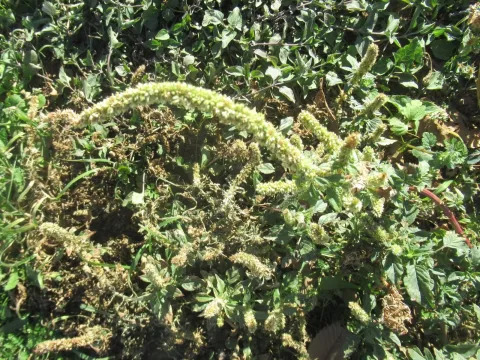
Amaranth (Acnida)
Acnida
Acnida, now scientifically classified within the genus Amaranthus, belongs to the Amaranthaceae family. While some varieties have historical uses, in modern agriculture, it is primarily recognized as a prolific and persistent weed.
What the section contains
Amaranth (Acnida)
Originating from North America, this plant has spread globally, invading agricultural ecosystems. It thrives in various soil types, particularly in moist, nutrient-rich environments often found in cultivated fields.
The plant exhibits high adaptability to climate fluctuations. Being a C4 plant, it performs exceptionally well under high temperatures and strong light, making it a major competitor in summer-grown crops like corn and soybeans.
Botanically, most Acnida species are dioecious, meaning they have separate male and female plants. This feature facilitates cross-pollination, leading to high genetic variability and the rapid development of resistance to chemical treatments.
Agronomic management requires a deep understanding of its life cycle. The plant germinates over an extended period, meaning that a single herbicide application is often insufficient to control new flushes of emergence.
The primary threat posed by Acnida is resource competition. It grows faster than most crops, shading out seedlings and sequestering soil nutrients, which directly leads to significant yield losses in commercial fields.
The species is known for its ability to evolve resistance to multiple modes of herbicide action, including glyphosate and ALS inhibitors. This makes integrated weed management programs strictly necessary.
Regarding diseases, Acnida can harbor various plant viruses that may later spread to economic crops. These include mosaic viruses that reduce the yield and quality of vegetables and field crops.
Common pests include leaf-feeding beetles and caterpillars. While these insects can damage the weed, they are rarely significant enough to provide natural control or reduce the economic impact on the crop.
Effective control measures include deep tillage in some systems, crop rotation, and the use of pre-emergent residual herbicides. Maintaining a high crop canopy density is also critical to naturally suppress the weed's development.