
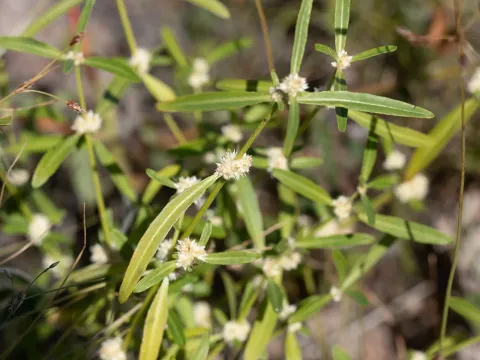
Alternanthera angustifolia
Alternanthera angustifolia
Alternanthera angustifolia is a herbaceous perennial plant belonging to the Amaranthaceae family. Originating from the Australian continent, it is known for its narrow foliage and ability to form dense, compact carpets in suitable environments.
What the section contains
Alternanthera angustifolia
The plant thrives in full sun exposure, which is crucial for achieving vibrant leaf coloration. While it adapts to various soil types, it performs best in well-drained, nutrient-rich soils with moderate moisture levels to ensure sustained growth throughout the season.
Temperature requirements are high, as the plant is sensitive to frost and cold stress. Ideally, it should be maintained in temperatures ranging from 20°C to 28°C, making it a primary choice for warm-season landscaping or container gardening in cooler zones.
Water management is a fundamental aspect of its agronomy. While it appreciates consistent moisture, waterlogging must be avoided to prevent root diseases. Proper drainage is essential for establishing a healthy, vigorous root system that supports the plant's dense aerial mass.
In landscape architecture, the species is widely used for creating borders, carpet bedding, and intricate geometric designs. Regular pruning is often practiced to maintain the desired height and stimulate bushier growth patterns.
Typical pests affecting this crop include aphids and spider mites, which can proliferate rapidly in low-humidity environments. Monitoring these pests is essential to prevent significant foliage damage.
Fungal diseases, including powdery mildew and root rot, often occur if the plants are placed in overcrowded areas with poor air circulation or excessive soil moisture levels.
Effective management strategies involve ensuring adequate space between plants to improve airflow and adhering to a strict irrigation schedule that avoids wetting the leaves unnecessarily.
Integrated pest management, including the use of targeted biological agents or soaps, can help control infestations without resorting to harsh chemical treatments that could harm the plants.
Regular sanitation of the growing site, such as removing debris and weeds, is vital to reduce the risk of disease transmission and provide a clean environment for the crop.