
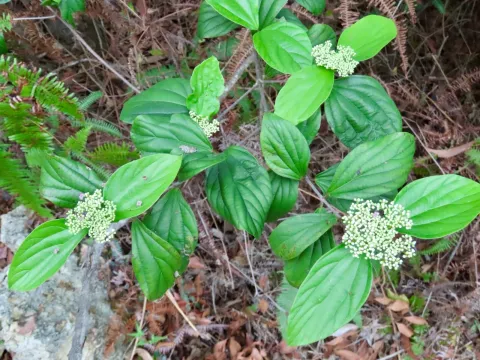
Evergreen viburnum
Viburnum sempervirens
Evergreen viburnum (Viburnum sempervirens) is a hardy shrub belonging to the Adoxaceae family. Unlike common deciduous viburnum species, this plant retains its lush foliage throughout the year, making it a highly valued specimen in permanent landscape design.
What the section contains
Evergreen viburnum
The plant originates from regions with temperate to subtropical climates. It thrives in well-draining, nutrient-rich soils that are slightly acidic to neutral, which allows for optimal root development and overall plant health.
Climatic requirements involve protection from extreme frost and harsh, desiccating winds. In warmer regions, it performs best in partial shade, whereas in cooler areas, it can tolerate more direct sun exposure to maintain its vigor.
Agronomic management requires consistent irrigation, particularly during establishment and prolonged dry spells. Applying a layer of organic mulch around the base of the plant helps retain soil moisture and suppresses weed competition.
The primary use of evergreen viburnum is aesthetic. It is frequently planted as a foundation shrub, a screen or hedge, and serves as a structural element in perennial gardens due to its consistent foliage color.
The most common disease threats include powdery mildew and leaf spot fungi, which tend to proliferate in conditions with high humidity and poor air circulation within the canopy.
Insects such as aphids, scale insects, and the viburnum beetle are primary pests that feed on the foliage and sap, which can significantly damage the plant's appearance if left uncontrolled.
Effective management involves regular pruning to ensure proper airflow, combined with the application of appropriate horticultural oils or insecticides during peak pest activity cycles.
Cultural control is vital for maintaining plant resistance. This includes providing adequate spacing between individual plants to prevent the rapid spread of diseases from one shrub to another.
Soil health also plays a critical role in preventing threats; well-fertilized plants are generally more resilient and capable of recovering from minor pest damage compared to plants under nutritional stress.