
Fetid viburnum
Viburnum foetidum
Description
Growing requirements
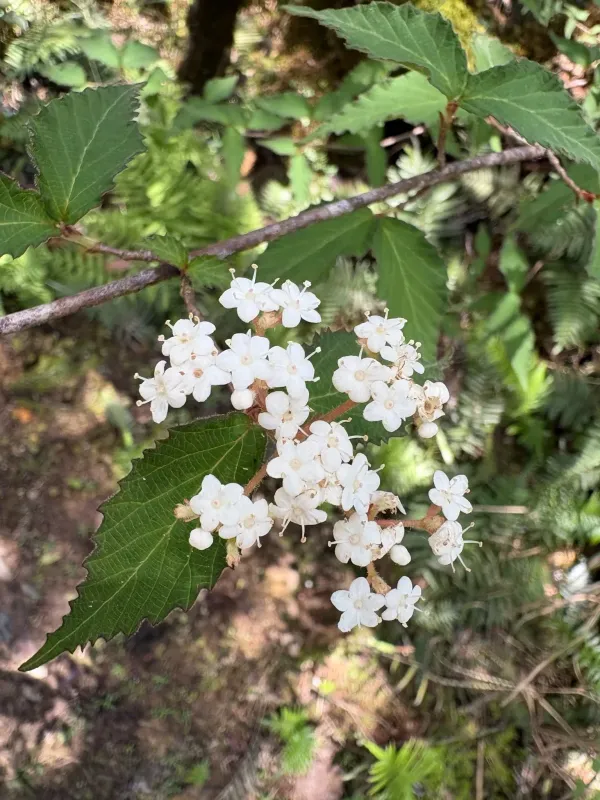
Fetid viburnum (Viburnum foetidum) is an evergreen or semi-evergreen shrub belonging to the Adoxaceae family. Despite the name, which stems from the odor of its crushed leaves, the plant is a subject of significant interest in both botanical research and ethnobotany.
The native distribution of this species spans the Eastern Himalayas, extending through regions of India, Myanmar, and China. It typically inhabits mountain forest zones where it is protected from extreme temperature fluctuations and enjoys consistent moisture levels.
Successful cultivation of this species requires well-draining, humus-rich soil. It is critical to avoid waterlogged conditions, as the root system of Viburnum foetidum is sensitive to hypoxia, which can occur in compacted or heavy clay soils.
Regarding light, the plant performs best in dappled shade. It is not adapted to harsh, direct sunlight during peak summer hours, which can lead to leaf scorch and reduced overall vigor of the shrub.
The economic value of this crop is primarily found in herbal medicine, where it is used as a traditional astringent agent. It is also grown in botanical gardens for its unique morphological features and hardiness in specific ecological niches.
Main diseases and pests
The health of Viburnum foetidum is often challenged by powdery mildew, a fungal infection that thrives in environments with poor air circulation and high humidity.
Insect pests such as aphids and spider mites are the most common adversaries for this plant. They tend to colonize the underside of leaves and tender young stems, causing wilting and chlorosis.
Root rot, induced by overwatering or poorly structured soil, remains a major threat to the plant's survival. Early symptoms include leaf drop and dieback of the outer branches.
Effective management strategies include maintaining proper spacing between plants to encourage air movement and monitoring the foliage for early signs of infestation.
In cases of severe infestation, integrated pest management (IPM) practices should be employed to balance the protection of the plant with the medicinal quality of its foliage.