
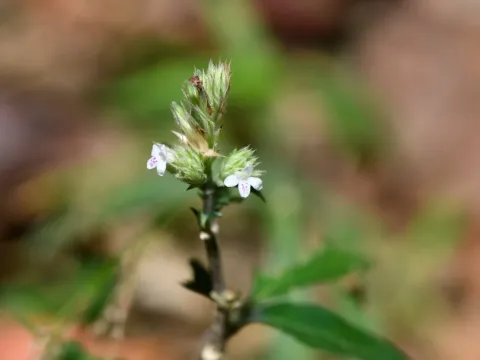
Lepidagathis
Lepidagathis
Lepidagathis is a genus belonging to the Acanthaceae family, known for its diverse species adapted to tropical and subtropical environments. The propagation of this culture is primarily achieved through seeds, which require specific conditions to germinate successfully.
What the section contains


Lepidagathis
Sowing should take place in well-prepared, nutrient-rich soil that ensures efficient drainage. The ideal time for planting is the beginning of the rainy season, allowing the seeds to benefit from the natural humidity and stable temperatures required for initial development.
Seeds are sown at a shallow depth, lightly covered with soil. Maintaining consistent moisture levels in the seedbed is crucial for high germination rates, as the seeds are sensitive to desiccation in their early growth stages.
Seedlings develop slowly, requiring a gentle environment free from extreme conditions. Protecting young plants from direct sun and heavy winds during the first few weeks is recommended to ensure robust stem formation.
Transplanting to the permanent field site should be done carefully to avoid damaging the delicate root system. Proper spacing between plants is essential to promote good airflow and minimize the risk of pathogen accumulation.
Lepidagathis thrives in warm, tropical climates with high relative humidity. It is sensitive to frost, making it suitable for outdoor cultivation only in regions where temperatures remain consistently above 18 degrees Celsius.
Soil requirements focus on high organic matter content and excellent drainage. If the native soil is heavy or prone to waterlogging, it is advisable to incorporate sand or other materials to improve the physical structure and oxygen availability for roots.
Light requirements vary by species, though most prefer partial shade or filtered sunlight. Excessive exposure to intense, direct tropical sun can lead to leaf scorching, especially in younger plants that have not yet established a deep root system.
Water management is critical. While the plant loves humidity, stagnant water around the root zone is detrimental. A balanced irrigation schedule, allowing the surface soil to dry slightly between waterings, is the most effective approach.
Temperature control is vital for successful growth. Fluctuations should be minimized, and in cooler regions, the plant requires greenhouse protection to maintain metabolic activity throughout the growing season.
The yield of Lepidagathis is primarily measured in terms of total biomass, as the plant is valued for its traditional medicinal properties. Proper harvesting techniques are essential to preserve the bioactive compounds present in the leaves and stems.
Harvesting is typically done manually at the peak of the plant's growth cycle, often just before or during the flowering stage. This ensures that the chemical concentration is optimized for pharmaceutical or herbal use.
Post-harvest processing involves drying the plant material in shaded, well-ventilated areas to prevent mold growth and maintain the integrity of its therapeutic components. Rapid drying is key to preventing the degradation of valuable phytochemicals.
Productivity is enhanced by timely fertilization with nitrogen-based nutrients during the vegetative stage, followed by potassium-rich supplements to strengthen the plant's overall resistance to stressors.
- Harvesting leaves for herbal extracts.
- Extraction of active compounds from roots.
- Seed collection for future propagation cycles.
Fungal infections remain the primary threat to healthy yields, especially in environments with high humidity and limited airflow. Root rot and leaf spots can spread rapidly if the plantation is not managed with preventative measures.
Pests, such as aphids and spider mites, can significantly damage plant tissue by feeding on cell sap, leading to reduced vitality and increased susceptibility to secondary infections. Regular monitoring is essential for early detection.
Nematodes in sandy soils pose a hidden threat, potentially destroying root systems before symptoms appear on the foliage. Crop rotation and the use of healthy planting stock are the best defense against these microscopic soil-borne pests.
Bacterial wilt can be an issue if tools are not sanitized between usage on different plants. Maintaining a clean agricultural environment is a foundational aspect of keeping the Lepidagathis population healthy and productive.
Integrated Pest Management (IPM) strategies, which combine cultural practices, mechanical barriers, and biological control, offer the best results for maintaining a high-quality crop while avoiding heavy chemical inputs.