
Lepidagathis formosensis
Lepidagathis formosensis
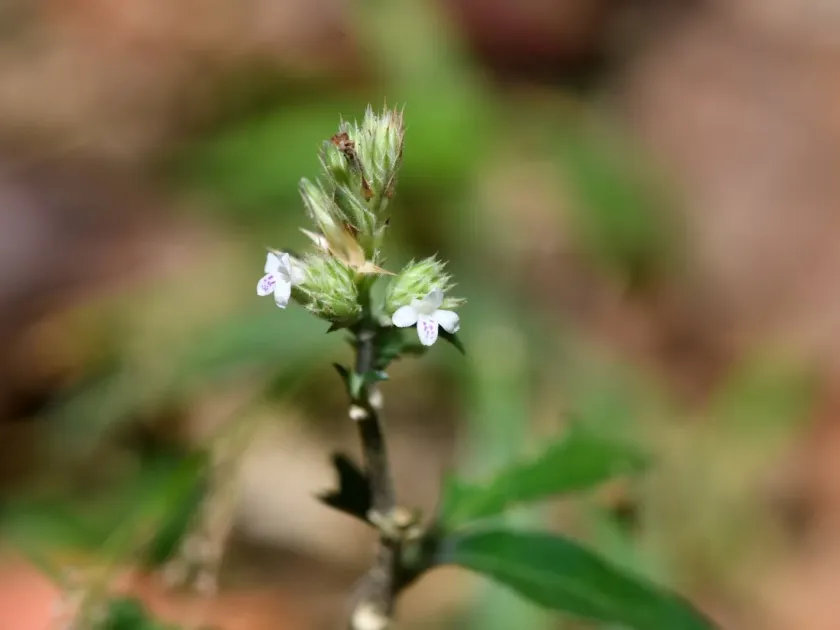
Description
Growing requirements
Lepidagathis formosensis is a distinct perennial herb belonging to the Acanthaceae family, native to the tropical and subtropical environments of Taiwan and surrounding regions.
In terms of ecological preferences, the plant thrives in shaded or semi-shaded areas, typically found in moist forest floors where leaf litter provides essential nutrients and moisture retention.
Successful cultivation requires soil that is rich in organic matter, slightly acidic to neutral in pH, and possesses excellent drainage properties to prevent root rot in the tropical climate.
The plant is highly sensitive to extreme heat and prolonged direct sun exposure, necessitating an environment that provides high ambient humidity and filtered light throughout the growing season.
Water management is critical for Lepidagathis formosensis; while it requires consistent soil moisture, it cannot tolerate waterlogged conditions, making careful irrigation management a primary requirement.
Harvesting
The economic value of this culture lies primarily in its use as a medicinal plant, with specific compounds within its foliage being the focus of botanical research and traditional healthcare.
Harvesting is performed by carefully pruning the mature aerial stems, ensuring that the basal part of the plant remains intact to support regeneration for the following growth cycle.
Timing the harvest is vital, as the concentration of secondary metabolites is typically highest during the peak of the vegetative phase before the plant transitions into the flowering stage.
Post-harvest procedures involve drying the biomass at controlled low temperatures to ensure that active compounds do not degrade due to excessive thermal exposure or chemical oxidation.
Proper storage is the final step in the agricultural process, requiring cool, dark, and dry conditions to maintain the therapeutic potency and physical integrity of the plant material.