
Lepidagathis secunda
Lepidagathis secunda
Description
Growing requirements
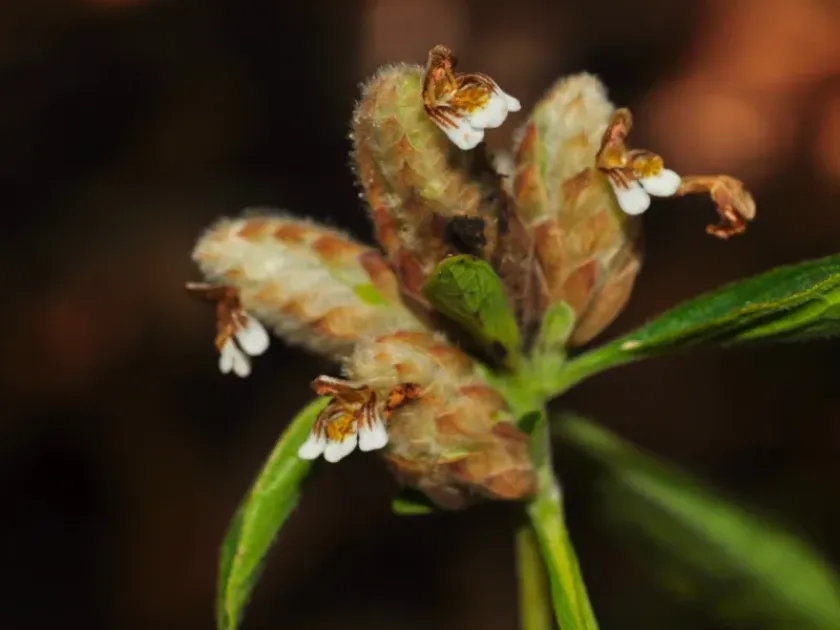
Lepidagathis secunda is a distinct member of the Acanthaceae family. Characterized by its botanical structure, this plant typically exhibits a sprawling or semi-shrubby habit, making it an interesting subject for specialized horticultural and experimental agricultural studies.
The species thrives in warm, humid environments where temperature fluctuations are minimal. Ideal cultivation conditions involve tropical or subtropical climates, specifically avoiding areas susceptible to frost, which the plant cannot tolerate at any developmental stage.
Cultivation requires well-draining, nutrient-rich soil with a slightly acidic to neutral pH. Providing a substrate that retains sufficient moisture while allowing for adequate aeration is crucial to prevent oxygen deprivation in the root zone.
When implementing agricultural practices, it is recommended to provide partial shade to mimic the natural understory environment of the plant. High light intensity during the peak of the day should be moderated to prevent leaf scorching and excessive transpiration.
Successful management of this crop involves systematic watering routines and balanced nutrition. Growers must monitor soil moisture levels closely, as both chronic waterlogging and prolonged drought can severely impact the biomass production and physiological health of the crop.