
Lepidagathis cristata
Lepidagathis cristata
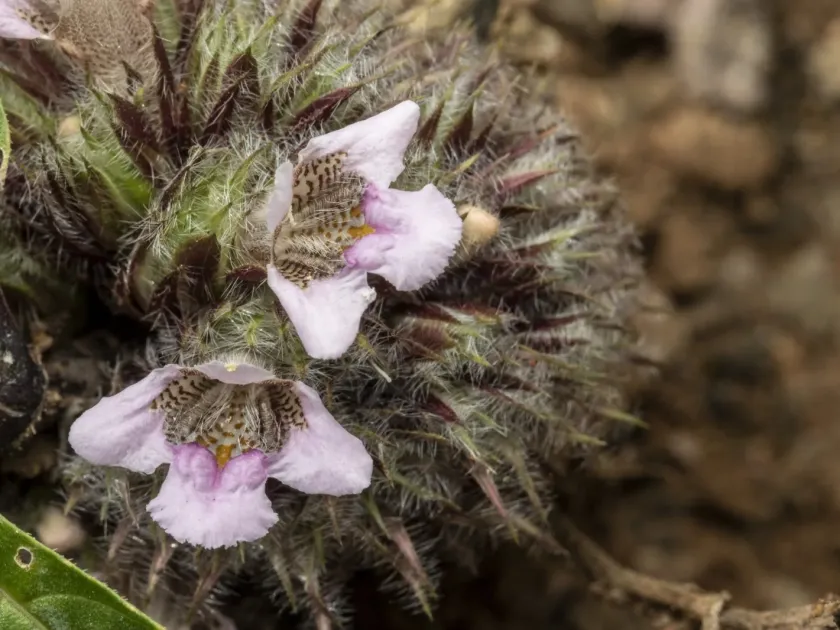
Description
Sowing dates
Lepidagathis cristata is a perennial herbaceous plant belonging to the Acanthaceae family, known for its adaptability to tropical environments.
Sowing should be performed in a well-prepared seedbed at the onset of the monsoon season to take advantage of natural rainfall and high humidity.
The seeds are relatively small and should be placed at a shallow depth of approximately 0.5 to 1 cm to ensure proper exposure to light during germination.
Seedbed preparation requires a friable soil structure to prevent crusting, which can hinder the emergence of delicate seedlings.
Once the seedlings develop at least two pairs of true leaves, they are ready for transplanting into the main production fields.
Growing requirements
This species thrives in warm, humid climates and requires high levels of solar radiation for optimal vegetative growth and biomass accumulation.
It performs best in fertile, well-draining loam soils that are rich in organic matter and maintained at a near-neutral pH level.
The crop is sensitive to waterlogged conditions, making effective field drainage an essential component of its agronomic management.
While the plant tolerates some shade, full sunlight is preferred in cooler regions to prevent leggy growth and ensure the synthesis of secondary metabolites.
Consistent moisture management is key; however, the soil must be allowed to dry slightly between irrigation sessions to protect root health.
Yield
The economic value of Lepidagathis cristata is derived from its medicinal leaves and roots, which are harvested for traditional and pharmaceutical applications.
Yield productivity is significantly enhanced by providing adequate nitrogen and potassium fertilizers during the peak growth stages of the plant.
Regular maintenance, including weeding and thinning, ensures that nutrients are directed towards plant growth rather than competitive weeds.
Harvesting strategies typically involve multiple cuttings per season, which encourages the plant to produce a continuous supply of biomass.
The total yield is measured by the dry weight of the harvested aerial parts, reflecting the efficiency of the overall cultivation system.
Main diseases and pests
Fungal diseases are the most common threats to Lepidagathis cristata, especially in regions with high humidity levels and limited air circulation.
Pests such as spider mites and aphids are frequently observed during drier seasons, necessitating monitoring and early management interventions.
Root rot is a critical physiological risk caused by poor soil drainage and excessive moisture, which can devastate a plantation if left unchecked.
Effective pest and disease control involves a combination of mechanical techniques and the targeted application of biological pesticides.
Maintaining proper plant spacing is a fundamental agronomic practice to reduce the pressure of pests and improve overall crop health.
Harvesting
The harvesting process involves cutting the stems manually at a height of approximately 10 cm above the ground to promote rapid vegetative regrowth.
Post-harvest management is crucial, requiring immediate drying in shaded, ventilated areas to maintain the chemical integrity of the harvested material.
Care must be taken to avoid contamination with soil or extraneous plant debris, which could degrade the final quality of the herbal product.
Once dried to the appropriate moisture content, the product is processed, packaged, and stored under controlled conditions to prevent degradation.
Proper harvesting practices ensure a high-quality product that retains its therapeutic efficacy for various commercial and medical purposes.